Why Specificity AI Prompts Produce Dramatically Better Results
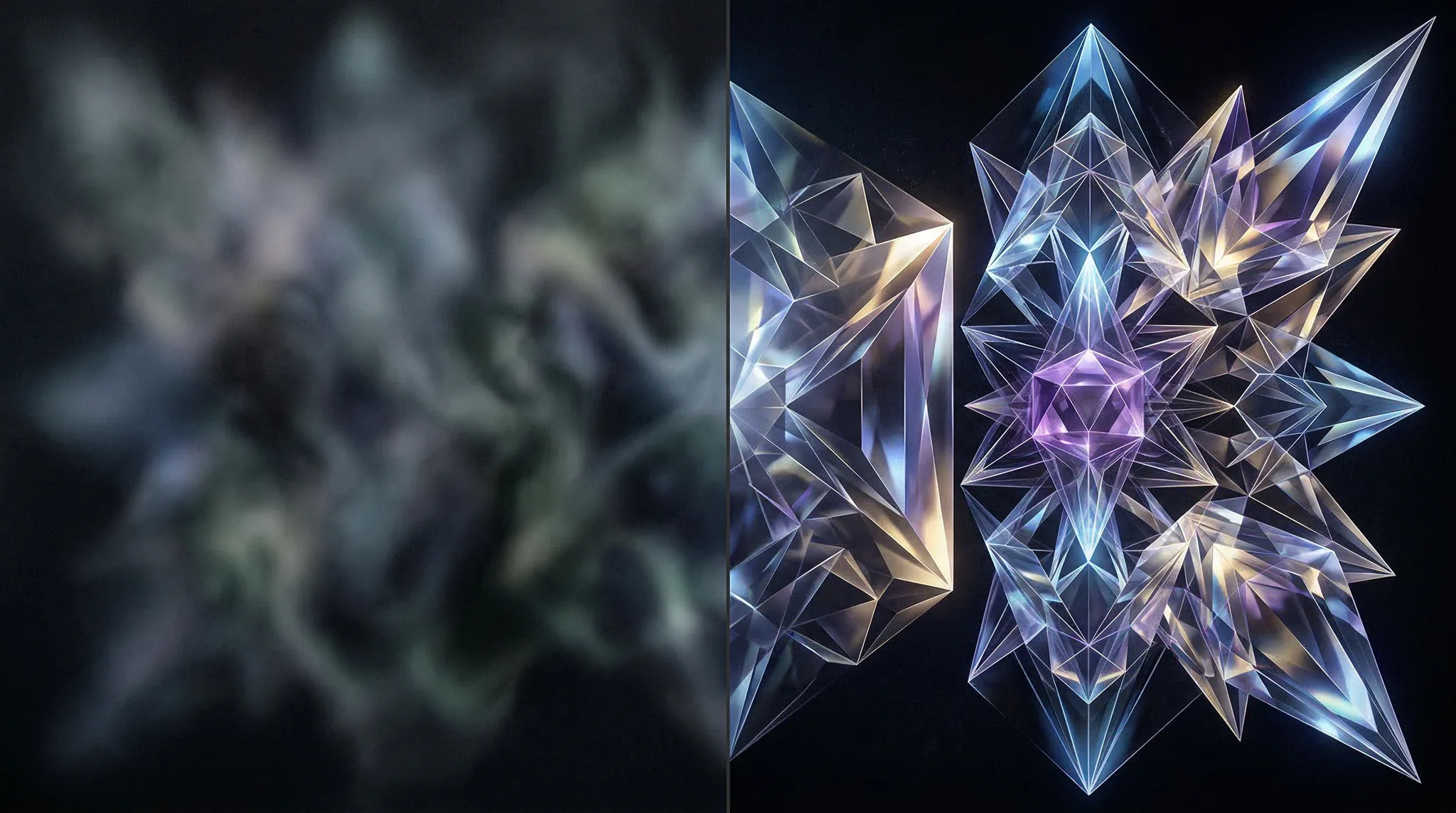
The number one factor separating mediocre AI-generated content from stunning, professional-quality output is specificity. Vague prompts produce vague results. Precise prompts produce images and videos that look intentionally crafted — because the AI model has clear instructions to follow rather than filling gaps with random choices.
Specificity AI prompts work because they eliminate ambiguity. When you write “a beautiful landscape,” the model must decide the season, time of day, weather, terrain type, color palette, lighting angle, camera position, and dozens of other variables. Each decision is essentially random. When you specify every variable, you control the output.
This guide explores exactly how specificity transforms your prompts and provides frameworks you can apply to every generation.
The Specificity Spectrum: From Vague to Precise
Let us examine how the same concept improves as specificity increases across five levels:
Level 1 — Vague: “A portrait of a woman”
Level 2 — Basic: “A portrait of an elderly woman smiling”
Level 3 — Descriptive: “A portrait of an elderly Japanese woman smiling gently, wearing a dark blue kimono, soft natural lighting”
Level 4 — Specific: “A portrait of an elderly Japanese woman with silver hair in a loose bun, gentle closed-lip smile creating soft wrinkles around her eyes, wearing an indigo kimono with white crane embroidery, photographed in soft window light from the left, shallow depth of field, warm color temperature”
Level 5 — Professional:
“A medium close-up portrait of an elderly Japanese woman, approximately 75 years old, with silver-white hair pulled back in a loose traditional bun with a single wooden hairpin, gentle closed-lip smile with deep laugh lines around warm brown eyes, wearing a hand-dyed indigo kimono with subtle white crane embroidery visible at the collar, soft diffused window light from camera left creating gentle Rembrandt lighting with a small triangle of light on the shadow side of her face, shallow depth of field at f/2.8, background is a blurred traditional tatami room, shot on medium format film, warm 5200K color temperature, grain visible”
The difference in output quality between Level 1 and Level 5 is not incremental — it is transformational. Level 5 produces images that look like they were taken by a professional portrait photographer with deliberate creative choices.
The Seven Dimensions of Prompt Specificity
Every effective prompt addresses these seven dimensions. The more dimensions you specify, the more control you have:
1. Subject Details
Go beyond naming the subject. Describe age, ethnicity, expression, posture, clothing, accessories, and distinguishing features. For objects, specify material, texture, condition, size, and brand style.
2. Composition
Specify framing (close-up, medium shot, wide shot), camera angle (eye level, low angle, bird’s eye), rule of thirds placement, leading lines, and negative space usage.
3. Lighting
Name the light source (window, golden hour sun, studio softbox), direction (front, side, back, overhead, underneath), quality (hard, soft, diffused, specular), and color temperature (warm/cool, specific Kelvin values).
4. Color Palette
Rather than “colorful,” specify actual colors. Use paint or Pantone names when possible: “cadmium red,” “cerulean blue,” “dusty rose.” Describe the overall mood as warm, cool, muted, vibrant, or monochromatic.
5. Texture and Material
Specify surface qualities: glossy, matte, rough, smooth, weathered, polished, brushed metal, raw linen, wet glass, dry cracked earth. Texture adds realism.
6. Atmosphere and Mood
Name the emotional quality: serene, tense, nostalgic, energetic, melancholic, dreamlike. Include atmospheric effects: haze, fog, dust, rain, snow, particles in light.
7. Technical Parameters
Reference camera and lens: “shot on Canon R5 with 85mm f/1.4 lens,” “Hasselblad medium format,” “wide-angle 16mm perspective distortion.” Include ISO, aperture, and film stock if relevant.
Specificity in Different Content Types
Photorealistic portraits:
Portraits benefit most from specific lighting and expression details. The difference between “smiling” and “subtle closed-lip smile with slightly raised cheeks” is the difference between a stock photo and a portrait.
“A headshot of a 30-year-old man with a short neat beard and medium-length wavy dark brown hair, wearing a navy wool peacoat with the collar turned up, expression is contemplative with eyes looking slightly camera left, Rembrandt lighting with soft fill, shot against a blurred urban background of warm bokeh lights, golden hour, shot on 85mm lens at f/1.8”
Product photography:
Product shots require specificity about materials, finish, and staging:
“A ceramic coffee mug with a matte sage green glaze and exposed unglazed clay at the base, filled with steaming black coffee, placed on a raw walnut wood surface, morning side-light from a large window creating a long shadow, single dried eucalyptus branch in background, minimal Scandinavian styling, overhead angle at 15 degrees from horizontal”
Landscape and environment:
Landscapes need atmospheric specificity more than any other genre:
“A fjord in northern Norway during the blue hour, 30 minutes after sunset, still water reflecting the deep blue and violet sky, snow-covered mountains with jagged peaks on both sides, a single red wooden fishing cabin on the shore with warm yellow light in its windows, low-hanging mist at the base of the mountains, long exposure smoothing the water surface, 24mm wide-angle composition with the cabin at the right third intersection”
The Specificity Framework: A Practical Template
Use this template to ensure you never miss a critical dimension. Vidzy’s Prompt Generator automates this framework, but understanding it helps you write better prompts anywhere:
[Subject with detailed description] + [composition/framing] + [lighting type, direction, and quality] + [color palette] + [texture/material details] + [atmosphere/mood] + [technical camera details]
Not every prompt needs all seven dimensions at maximum detail. The key is knowing which dimensions matter most for your specific output:
Portraits → prioritize lighting and expression
Products → prioritize material and staging
Landscapes → prioritize atmosphere and color
Abstract art → prioritize color, texture, and composition
There is a point of diminishing returns. Over-specifying can cause problems:
Contradictory instructions — “warm golden light” combined with “cool blue shadows” in some contexts can confuse the model
Too many focal points — if you describe fifteen objects in equal detail, the composition lacks hierarchy
Excessive length — some models have prompt length limits. Prioritize the most impactful dimensions rather than specifying everything at maximum detail
Over-constraining creativity — sometimes a degree of ambiguity produces unexpected results that are better than what you would have specified
The sweet spot is typically 40 to 80 words of well-structured, highly specific language. Every word should add visual information that changes the output.
Measuring Your Prompt Specificity
Here is a quick self-test. Count how many of these questions your prompt answers:
What exactly is the subject? (Not “a person” but “a 40-year-old woman with short gray hair”)
What is the subject doing or expressing?
What is the framing/camera distance?
Where is the light coming from?
What is the dominant color?
What textures are visible?
What is the emotional mood?
What camera or lens was used?
If your prompt answers fewer than four of these, it is too vague. Six or more indicates strong specificity. All eight puts you in the top tier of prompt writers.
Specificity in Video Prompts
Video prompts require all the same specificity dimensions plus temporal specificity — how things change over time:
“A macro close-up of a single raindrop landing on a deep red rose petal in slow motion, the droplet splashing and breaking into smaller droplets that scatter outward, petal surface showing visible texture and tiny water beads, shallow depth of field with the background blurred into soft green, overcast diffused lighting, camera static in a fixed macro position, duration 4 seconds”
Notice how this prompt specifies not just what is in the frame, but what happens, how fast it happens, and for how long.
FAQ
How specific should my AI prompts be?
Aim for 40 to 80 words that cover at least five of the seven specificity dimensions: subject, composition, lighting, color, texture, atmosphere, and technical parameters. Every word should add visual information that changes the output. The AI prompt length guide explores optimal prompt length in more detail.
Does being more specific always produce better results?
Almost always, but there are exceptions. Over-specifying can cause contradictions or overwhelm the model. The sweet spot is being specific about the most impactful elements while leaving room for the AI to fill in less critical details naturally.
Which details matter most for photorealistic images?
Lighting and camera details have the greatest impact on photorealism. Specifying light direction, quality, and color temperature alongside lens focal length and aperture produces the most convincingly photographic results.
Can I be specific without writing long prompts?
Yes. Specificity is about precision, not length. “Golden hour sidelight, 85mm f/1.4” is only six words but carries enormous visual information. Prioritize high-impact details over exhaustive description.
How do I know if my prompt is too vague?
If your output could match dozens of different possible interpretations, it is too vague. A well-specified prompt should produce outputs that are recognizably similar across multiple generations — the core concept remains consistent even if details vary.
Write Prompts That Leave Nothing to Chance
Specificity is not about writing longer prompts — it is about making every word count. Each specific detail you add replaces a random decision the AI would otherwise make on its own. The result is output that matches your creative vision rather than the model’s defaults.
Try Vidzy’s AI Prompt Generator to build precision-crafted prompts, or download Vidzy to generate stunning AI images and videos where every detail matches your vision.
Sarah Chen is a prompt engineer and AI content strategist with 5+ years in generative AI. Former ML researcher at Stanford, she now helps creators unlock the full potential of tools like Sora, Flux, and Nano Banana. She writes about prompt engineering, image generation techniques, and the future of AI creativity.
How Time of Day AI Prompts Transform Lighting and Color Specifying time of day AI prompts is one of the most powerful yet underutilized techniques in prompt engineering. The time of day doesn’t just change how bright an image is — it completely transforms the color temperature, shadow direction, atmospheric quality, and emotional tone of […]
The Most Common AI Prompt Mistakes That Ruin Your Generations Everyone makes AI prompt mistakes — from beginners generating their first image to experienced creators who have produced thousands. The difference is that experienced prompt writers have learned to recognize and avoid these patterns. This guide documents the ten most frequent mistakes, explains why they […]
See the Difference: AI Prompt Examples Before and After Optimization The gap between a mediocre AI-generated image and a stunning one almost always comes down to the prompt — not the model. This guide presents ten real-world AI prompt examples before after transformation, showing exactly how rewording a prompt produces dramatically better results. Each example […]
Sarah Chen
10 min read
Your Next Video Is 30 Seconds Away
Download Vidzy free, pick a template, and create your first video right now.