AI Video Social Media Impact: The Platform Transformation
The AI video social media impact today has been nothing short of seismic. Every major platform—TikTok, Instagram, YouTube, X, and LinkedIn—has been reshaped by the flood of AI-generated video content that became mainstream this year. Algorithms have adapted, creator strategies have shifted, audience expectations have evolved, and entirely new content categories have emerged that simply couldn’t exist without generative AI.
This isn’t a gradual evolution. The period from late 2025 to recently represents the most rapid transformation in social media content creation since the smartphone camera revolution. Understanding how these changes affect content strategy, audience engagement, and platform dynamics is critical for any creator or brand competing for attention in today’s feeds.
The Volume Explosion
The most obvious impact is sheer volume. When professional-quality video can be generated in minutes instead of hours or days, content output scales dramatically. Industry data from early suggests that AI-assisted video content on major platforms has increased by over 300 percent compared to the same period in 2025.
This isn’t just more content—it’s more diverse content. Creators who previously posted twice a week because of production constraints now post daily or multiple times daily. Brands that produced one polished video per campaign now test dozens of variations. Niche topics that couldn’t justify traditional video production budgets now have dedicated video content.
The result is an attention marketplace that’s more competitive than ever. Standing out requires not just good content but strategic use of the tools that enable rapid, high-quality production.
Platform-by-Platform Breakdown
TikTok: The AI-Native Content Boom
TikTok has embraced AI-generated content more aggressively than any other platform. The algorithm’s emphasis on content quality over creator following means that AI-generated videos compete on equal footing with traditionally produced content. A well-prompted AI video from a creator with zero followers can outperform a lazy post from a million-follower account.
The most successful TikTok content categories leveraging AI include: surreal and fantasy scenarios that would be impossible to film, “what if” historical and cultural mashups, product showcase videos with impossible camera movements, and educational content with AI-generated visualizations of abstract concepts.
TikTok’s own AI video generation features, integrated directly into the creation flow, have lowered the barrier even further. But creators using external tools like Vidzy consistently produce higher-quality output, because dedicated AI video platforms offer more model choices, better prompt control, and superior output quality compared to platform-native tools.
Instagram: Aesthetic Evolution
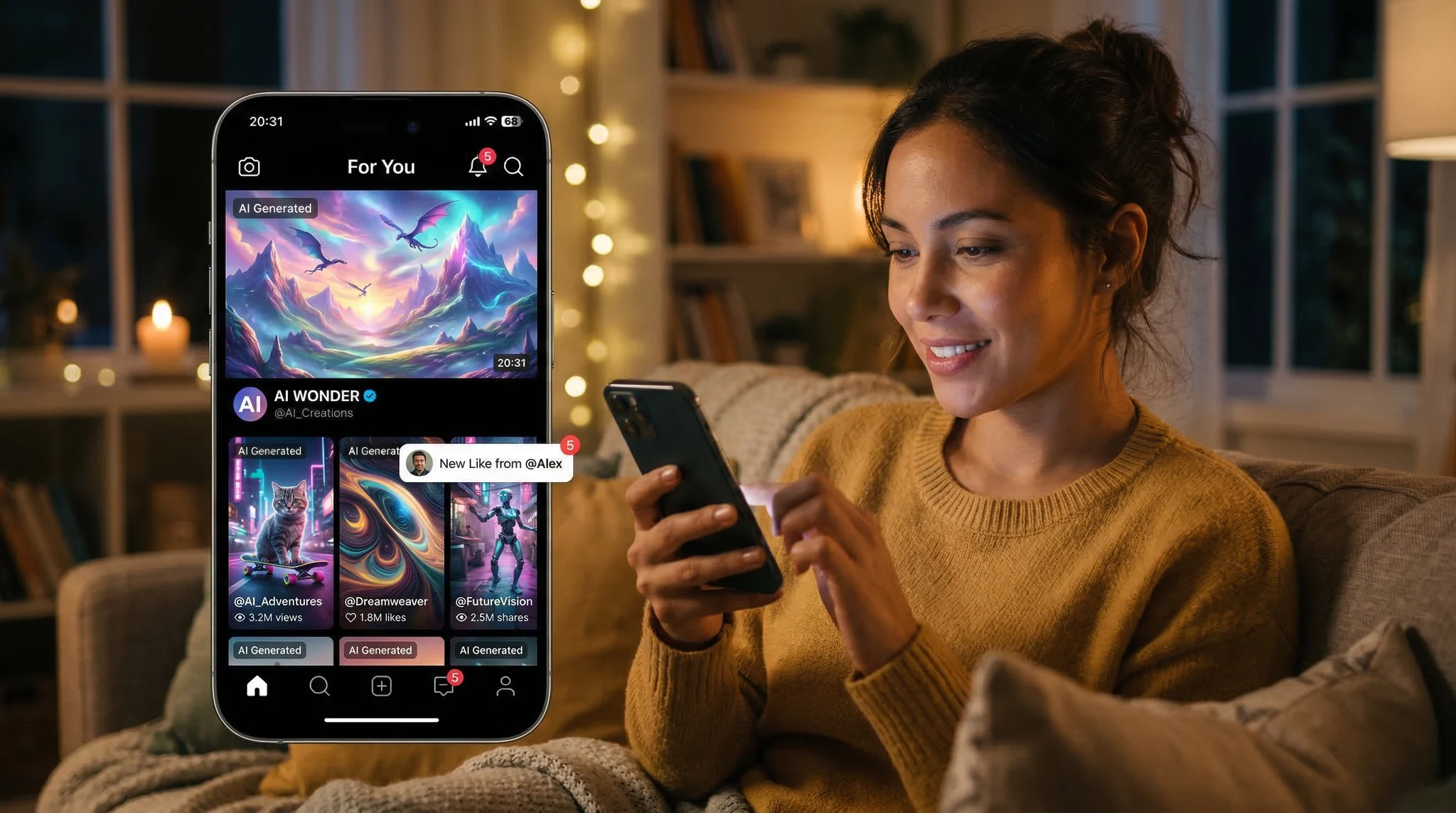
Instagram’s visual-first culture has been transformed by AI video capabilities. Reels featuring AI-generated content have become a dominant format, with creators using AI to produce visually stunning content that would have previously required professional production teams.
The platform’s aesthetic standards have risen dramatically. When anyone can generate cinematic-quality footage, the baseline expectation for visual quality across the platform increases. This creates a positive quality spiral—creators push AI tools harder to produce more impressive visuals, which raises audience expectations further.
Fashion, beauty, and lifestyle creators have been particularly aggressive adopters. AI-generated try-on videos, product placement scenarios, and aspirational lifestyle content flood the platform daily.
YouTube: Long-Form AI Integration
YouTube’s longer format has led to a different adoption pattern. Rather than fully AI-generated videos, the most successful approach combines AI-generated footage with human-created elements—voiceover, commentary, analysis, and personal presence. AI serves as a production multiplier, enabling solo creators to produce content with production values that previously required a team.
YouTube Shorts, the platform’s short-form vertical video product, has seen adoption patterns similar to TikTok. AI-generated shorts compete effectively for views and subscribers, particularly in educational, technology, and entertainment categories.
LinkedIn: Professional Content Upgrade
LinkedIn’s adoption of AI video content reflects its professional orientation. Thought leaders and brands use AI-generated videos for concept explanations, data visualizations, product demonstrations, and industry trend analyses. The quality upgrade is particularly noticeable here—LinkedIn video content has historically been lower quality than other platforms due to the professional audience’s reluctance to invest in “content creation” as an activity.
AI tools have eliminated this barrier. A B2B marketer can now produce a polished product explanation video during a lunch break, dramatically increasing the volume and quality of professional video content on the platform.
How Algorithms Have Adapted
Social media algorithms have evolved rapidly in response to the AI content flood. Several key adaptations are worth noting.
Originality signals. Platforms are developing increasingly sophisticated methods to evaluate content originality beyond simple duplicate detection. The goal isn’t to penalize AI-generated content but to prevent the feed from being dominated by near-identical outputs from the same popular prompts.
Engagement depth weighting. As volume increases, algorithms are placing greater weight on engagement quality rather than engagement quantity. Comments, shares, saves, and watch-through rates are weighted more heavily than simple likes. This favors content that provokes genuine response—something that thoughtful creators produce regardless of whether they use AI tools.
Creator consistency signals. Algorithms are increasingly rewarding consistent posting cadences and topical focus. AI tools enable this consistency by reducing the production burden, giving an advantage to creators who use AI strategically rather than sporadically.
New Content Categories Born from AI
The AI video social media impact has created entirely new genres of content that couldn’t exist without generative AI.
“Impossible footage” content shows scenarios that can’t be captured with cameras—historical events reimagined, nature phenomena at scales too large or small to film, and fantasy scenarios rendered with photorealistic quality. This genre has massive engagement because it offers visual experiences genuinely unavailable anywhere else.
“Concept visualization” content takes abstract ideas—scientific theories, philosophical concepts, economic principles—and renders them as vivid, shareable videos. Education creators have found that AI-visualized concepts generate significantly higher engagement than traditional whiteboard or slide-based explanations.
“Style transfer” content reimagines real locations, events, or scenarios in different artistic styles, historical periods, or fictional universes. “Your city as a Studio Ghibli film” or “Modern life in the Renaissance” formats consistently go viral.
“Rapid reaction” content leverages AI’s speed to create polished video commentary on trending topics within hours rather than days. When news breaks, AI video tools enable creators to produce visual content that would have previously required days of production.
The Authenticity Paradox
One of the most interesting dynamics is the emerging “authenticity premium.” As AI-generated content becomes ubiquitous, genuinely human-created content—with its imperfections, spontaneity, and authentic emotion—has gained a counter-cultural appeal.
Some creators have built their brand specifically around the contrast: “No AI used in the making of this video” has become a badge of pride in certain creative communities. This isn’t anti-technology sentiment but a market response to oversaturation—when AI content is everywhere, human-made content becomes the rare commodity.
Smart creators use both modes strategically: AI for production-heavy content where visual quality matters, and raw human-created content for personal, authentic moments. The combination is more powerful than either approach alone.
Creator Economy Implications
The economic implications for the creator economy are profound. Production costs have dropped dramatically, lowering the barrier to entry for new creators but also compressing the pricing power of creators who previously differentiated on production quality alone.
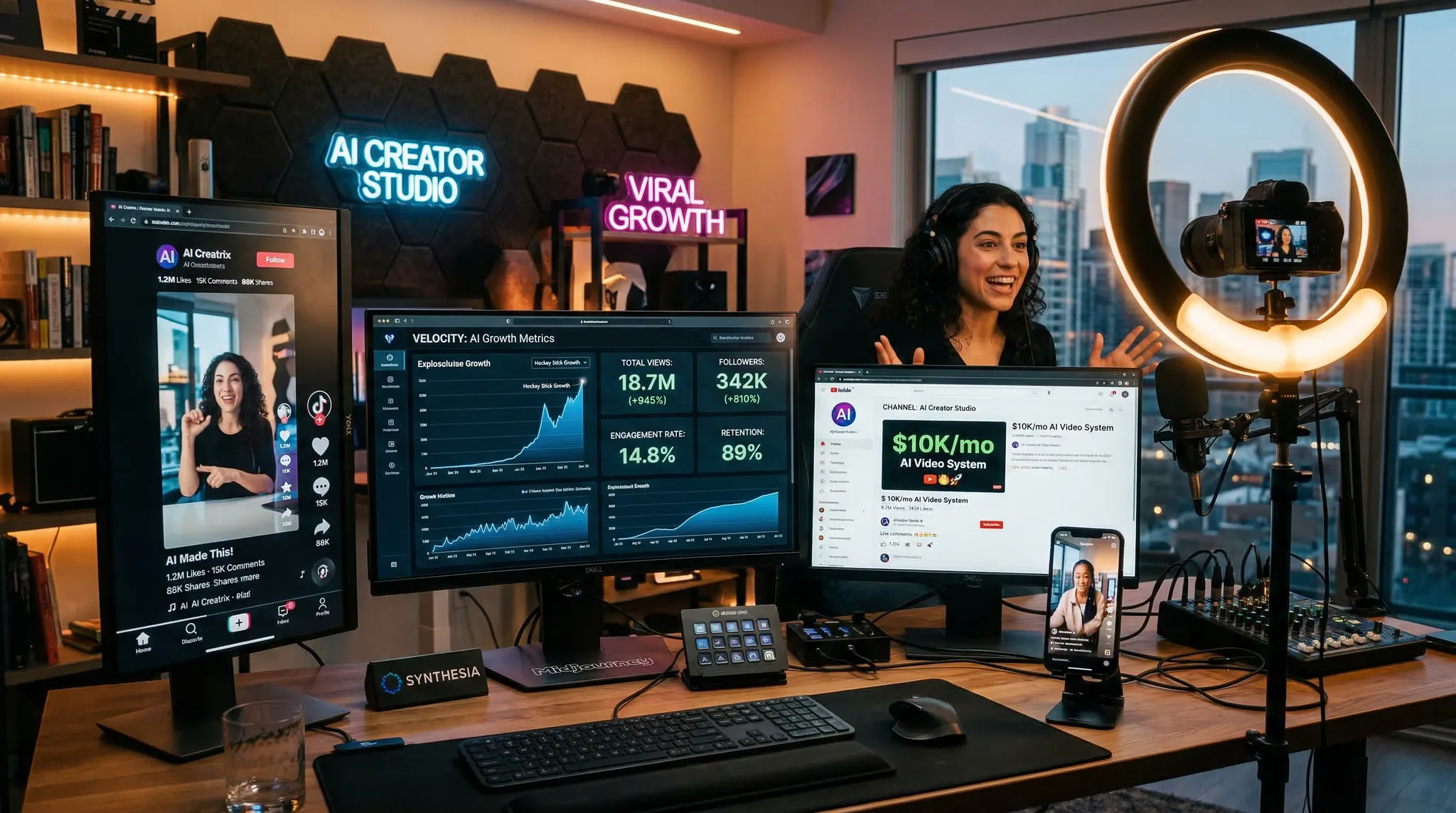
The creators thriving today are those who combine AI production capabilities with genuine creative vision, unique perspectives, and authentic audience relationships. Tools are democratized—everyone has access to the same AI models. What differentiates successful creators is how they use those tools, what ideas they bring, and how they connect with their audience.
Monetization has adapted accordingly. Brand deals increasingly value creative direction and audience relationship over production capability, since brands can generate their own footage. The creator’s value proposition has shifted from “I can produce quality content” to “I understand what resonates with this specific audience.”
What This Means for Your Content Strategy
Whether you’re an individual creator or a brand, here’s how to adapt to the AI-transformed social media landscape.
Increase your posting frequency. Use AI tools to maintain the production pace that algorithms reward. Consistency beats sporadic perfection.
Invest in ideas, not just production. When everyone can produce beautiful footage, creative concepts become the differentiator. Spend more time on what to create and less time on how to create it.
Mix AI and human content. Use AI for production-heavy pieces and authentic human content for personal connection. The combination resonates more than either alone.
Test more, commit less. AI’s low production cost enables rapid experimentation. Test concepts quickly, double down on what works, and abandon what doesn’t without sunk cost regret.
Stay platform-aware. Each platform rewards different content types and formats. Tailor your AI-generated content to platform-specific expectations rather than cross-posting identical content.
Frequently Asked Questions
Do social media algorithms penalize AI-generated content?
No major platform currently penalizes content solely for being AI-generated. Algorithms evaluate content based on engagement signals regardless of how it was produced. However, platforms are developing originality signals to prevent feeds from being flooded with near-identical AI outputs.
Which social media platform is best for AI-generated video content?
TikTok currently offers the most level playing field for AI content, with its algorithm heavily favoring content quality over creator following. Instagram Reels is a strong second. YouTube Shorts rewards consistency and niche expertise. The best platform depends on your audience and content category.
Will AI-generated content oversaturate social media?
Volume is increasing, but platform algorithms are adapting to surface the best content regardless of volume. Oversaturation of low-effort AI content is a real concern, but it creates an opportunity for creators who use AI thoughtfully and strategically.
How can I make my AI-generated content stand out?
Focus on unique creative concepts rather than technically impressive but generic outputs. Add personal perspective through voiceover, commentary, or framing. Use AI as a production tool rather than a content strategy—the best AI content has a clear human creative vision behind it.
Lead the AI Content Revolution
The creators who will define social media in the second half are building their content engines right now. Download Vidzy and start creating the kind of AI-powered video content that algorithms reward and audiences remember.
James Okafor is a tech journalist covering the AI generation space. With bylines in TechCrunch and The Verge, he brings an analytical lens to AI model reviews, industry trends, and the evolving landscape of creative AI tools.
Open Source AI Models vs Closed Source: A Creator’s Decision Guide The debate over open source AI models versus closed source alternatives has moved from academic circles to practical relevance for every creator working with generative AI. Whether you’re generating images for social media, producing marketing assets, or exploring AI art as a creative medium, […]
AI Filmmaking Future: How Independent Cinema Is Being Reimagined The AI filmmaking future is unfolding right now in apartments, home offices, and coffee shops around the world. Independent filmmakers who once needed minimum budgets of $50,000 to $500,000 and months of production time are creating visually ambitious short films and web series for a fraction […]
AI Democratizing Content: Breaking Down the Barriers to Professional Creation AI democratizing content creation is the defining story of the creative economy today. For the first time in history, professional-quality video, images, and multimedia content can be produced by anyone with a smartphone and a creative idea. The equipment, expertise, and capital that once gatekept […]
James Okafor
8 min read
Your Next Video Is 30 Seconds Away
Download Vidzy free, pick a template, and create your first video right now.