AI Character Consistency: The Breakthrough That Changed Everything
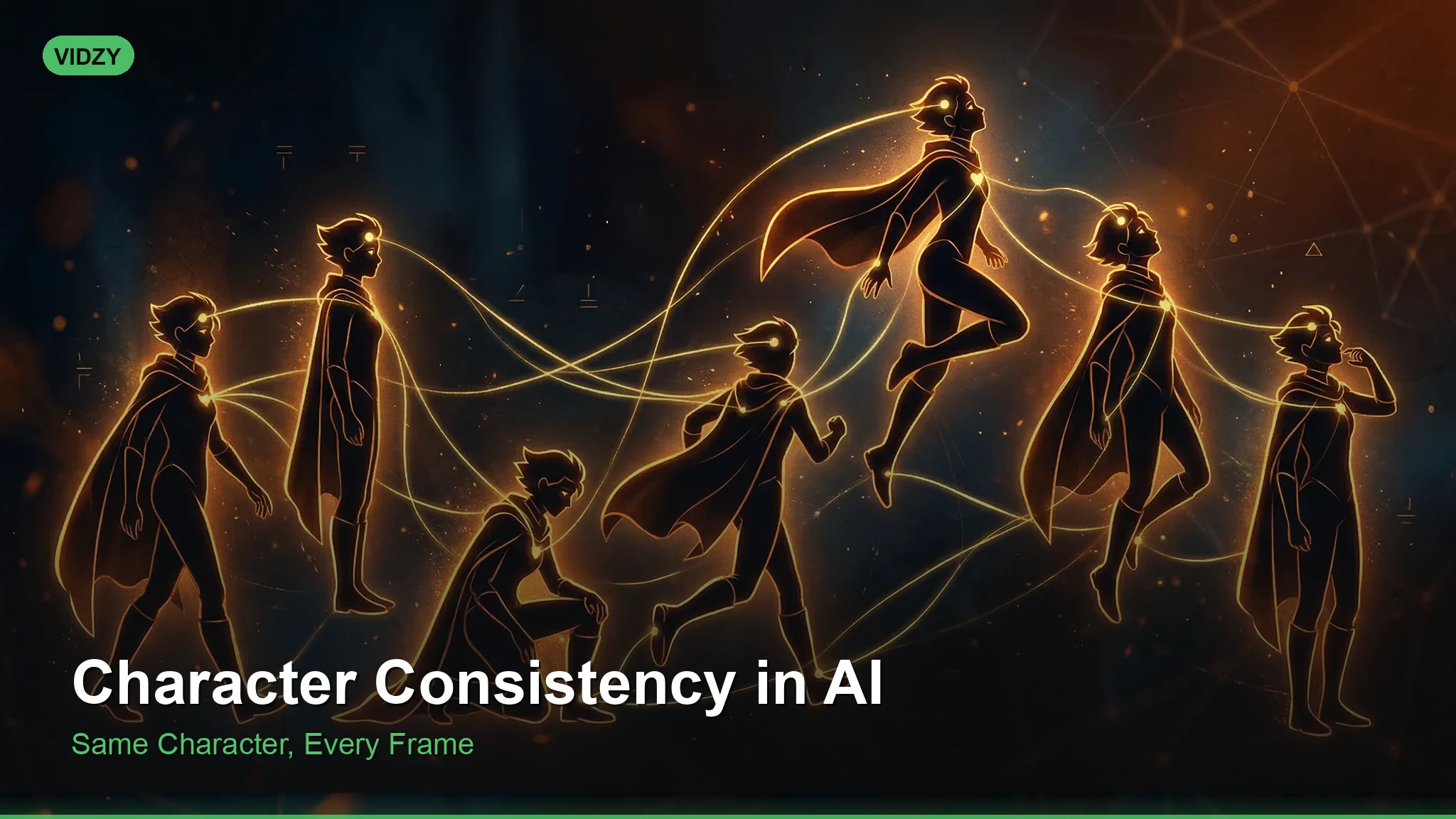
AI character consistency represents the most commercially significant breakthrough in generative AI this year. For years, the inability to maintain a character’s appearance across multiple generated images or video clips was the single biggest limitation preventing AI from being used for serialized content, brand mascots, storybooks, web comics, and narrative filmmaking. That limitation has effectively been solved.
The implications are enormous. Marketing teams can now create consistent brand characters that appear across campaigns without hiring illustrators for every piece. Independent filmmakers can generate multi-scene projects with characters that maintain their identity from the first frame to the last. Children’s book authors can illustrate entire stories with characters that look the same on every page. Content creators can build recognizable AI personas for their channels.
Understanding how this breakthrough works and how to leverage it gives creators a decisive advantage in producing consistent, professional content across any format.
Why Character Consistency Was So Difficult
To appreciate the significance of this breakthrough, it helps to understand why character consistency was such a persistent challenge for AI image and video generation.
Traditional diffusion models generate each image from scratch. When you prompt “a young woman with red hair and green eyes wearing a blue jacket,” the model interprets that description anew each time, producing a different face, different hair style, different jacket design, and different body proportions with every generation. Even with identical prompts and identical seeds, changing any other element of the prompt—background, pose, camera angle—would cause the character’s appearance to drift.
This happened because diffusion models don’t have a concept of “identity.” They understand attributes (red hair, green eyes, blue jacket) but not the holistic identity of a specific character. Two images of “a woman with red hair” are as different to the model as two images of “a woman”—the red hair is a statistical tendency, not a fixed identity marker.
Previous workaround methods each had significant limitations. DreamBooth and textual inversion required training a custom model for each character, a process that took hours and required technical expertise. ControlNet provided structural consistency but not identity consistency. IP-Adapter offered similarity but not reliable identity preservation across varied poses and contexts.
How the Breakthrough Works
The character consistency solutions that emerged in late 2025 and matured through early take fundamentally different approaches from previous attempts, and they work dramatically better.
Identity Embedding Architecture
The core innovation is an identity embedding system that extracts a compact, rich representation of a character’s visual identity from one or more reference images. This embedding captures not just surface-level attributes (hair color, eye color) but the deeper structural features that define a face—bone structure, proportional relationships, skin texture, and characteristic expressions.
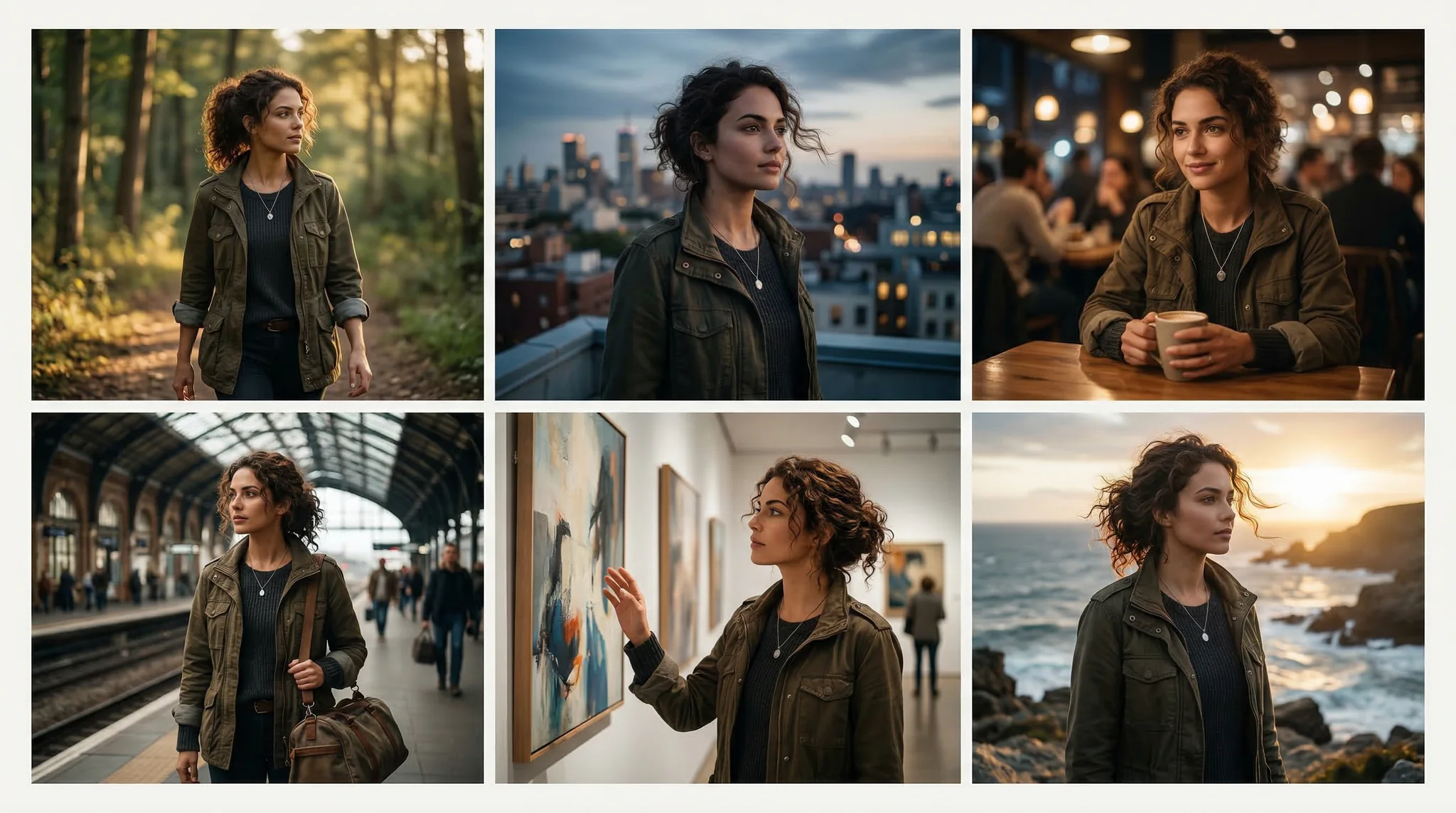
When generating a new image, this identity embedding is injected into the diffusion process alongside the text prompt. The model generates the scene, pose, lighting, and context from the text prompt while constraining the character’s appearance to match the identity embedding. The result is a character that looks consistently like the same person across dramatically different scenes, poses, and contexts.
Decoupled Identity and Context
A critical technical advance was learning to decouple identity from context. Earlier approaches tended to “bake in” elements of the reference image—its lighting, background, camera angle, or clothing—alongside the character’s identity. The new approach cleanly separates who the character is from where they are and what they’re doing.
This means you can take a reference image of a character in bright daylight wearing casual clothes and generate that same character in a dark nightclub wearing formal attire. The identity transfers; the context doesn’t.
Multi-View Training
Modern character consistency models are trained on datasets specifically designed for identity preservation. These datasets include multiple images of the same individuals across different angles, lighting conditions, expressions, ages, and contexts. By learning from these multi-view datasets, models develop a robust understanding of what identity means visually and how it manifests under varying conditions.
Practical Applications Unlocked by Character Consistency
Brand Mascots and Spokespeople
Marketing teams can now create AI-generated brand characters that maintain perfect consistency across every touchpoint—social media posts, advertisements, website banners, email campaigns, and video content. A brand mascot generated by AI looks the same whether it’s shown in a product demonstration, a holiday greeting, or a customer testimonial illustration.
This capability is particularly valuable for brands that want recognizable characters without the ongoing cost of commissioning custom illustration for every piece of content. Generate a character once, and use that identity across unlimited future content.
Children’s Books and Illustrated Stories
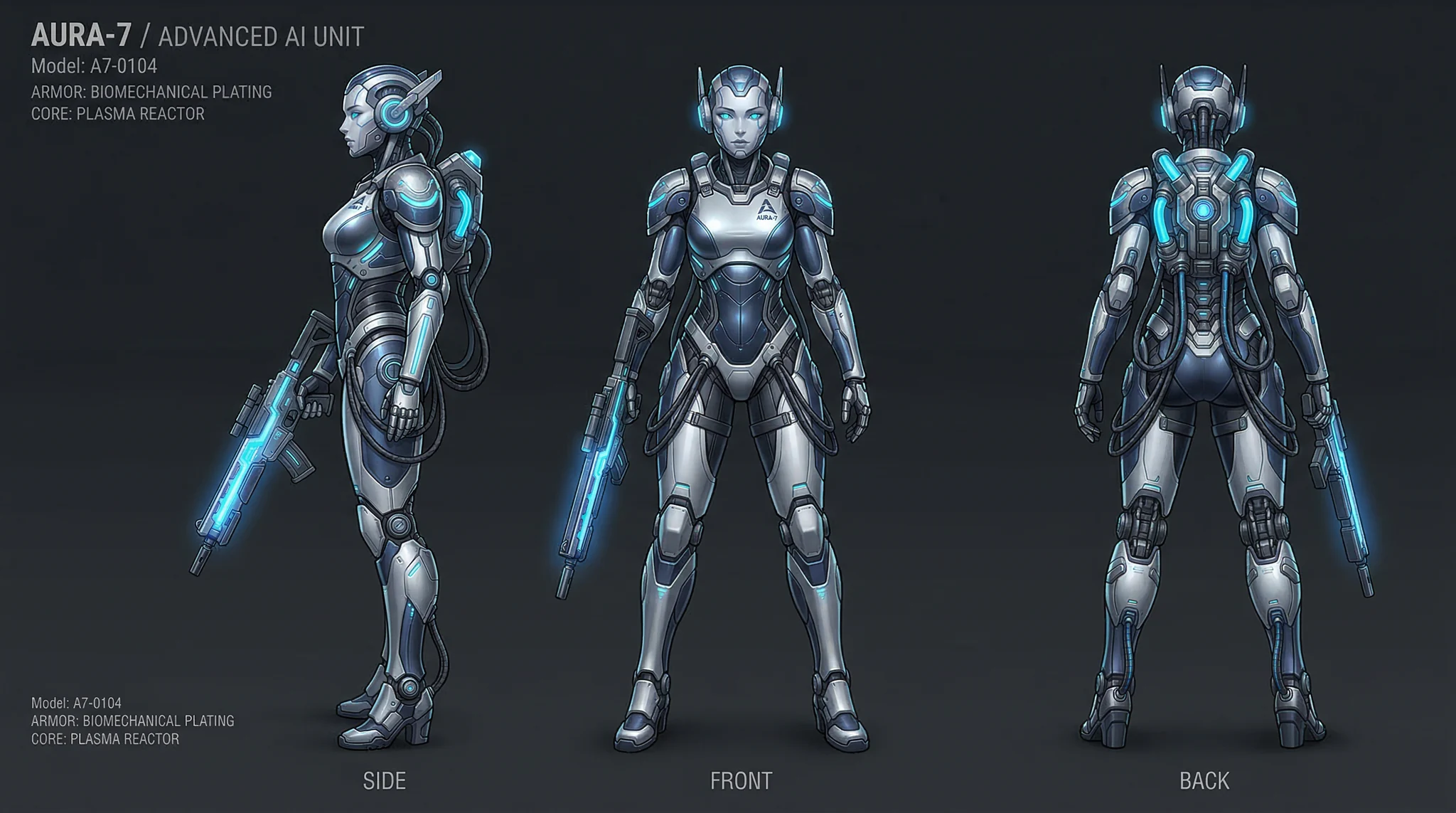
Character consistency has unlocked AI-generated children’s book illustration as a viable creative format. Authors can generate consistent characters across 20 to 30 illustrated pages, maintaining not just facial identity but clothing, proportions, and visual style throughout the entire book. What previously required hiring an illustrator for weeks of work can now be accomplished in days.
Web Comics and Serial Content
Creators can now produce ongoing web comics and serialized illustrated content with AI-generated characters that readers can follow across episodes. The consistency is reliable enough that readers develop the recognition and connection with characters that serial storytelling requires.
Multi-Scene Video and Filmmaking
For video generation, character consistency means generating multiple clips featuring the same character in different scenes—walking through a park, sitting in a cafe, driving a car—with reliable identity preservation. Independent filmmakers can create multi-scene projects where AI-generated characters maintain their identity throughout, enabling narrative storytelling that was previously impossible with AI video.
Social Media Content Series
Content creators can develop recurring AI-generated characters for their channels—hosts, guides, mascots, or narrative characters—that maintain visual consistency across posts and videos, building audience recognition and engagement over time.
How to Achieve Character Consistency in Practice
Creating Strong Reference Images
The quality of your character consistency starts with your reference images. Better references produce more reliable identity preservation.
Use clear, well-lit reference images. The model needs to see the character’s features clearly. Avoid heavily shadowed, low-resolution, or partially obscured reference images.
Provide multiple angles when possible. A single reference image provides limited identity information. If you can provide front-facing, three-quarter, and profile views, the identity embedding will be significantly more robust.
Use neutral expressions and standard poses. Extreme expressions or unusual poses can bias the identity extraction. Start with neutral references and let the generation prompts control expression and pose.
Prompt Engineering for Consistent Characters
When generating new images of your established character, your prompts should focus on context and action rather than character description. The identity embedding handles the character’s appearance—your prompt handles everything else.
Good approach: “A woman standing in a coffee shop, warm lighting, holding a latte, smiling, candid photograph” (with identity embedding active)
Less effective: “A woman with auburn hair and hazel eyes standing in a coffee shop” (redundant description that can conflict with the embedding)
Maintaining Consistency Across Styles
Character consistency works best when the visual style remains relatively consistent across generations. A character generated in photorealistic style will maintain identity most reliably when subsequent generations are also photorealistic. Jumping between photorealism and anime style within the same character can introduce identity drift.
If you need a character in multiple styles, generate the reference in the style you’ll use most frequently and maintain that style for the majority of your content.
Current Limitations and Workarounds
While the AI character consistency breakthrough is remarkable, some limitations remain.
Extreme pose changes. Very unusual poses—looking straight up, extreme foreshortening, full back views—can reduce identity preservation accuracy. For these angles, additional reference images from similar angles help maintain consistency.
Accessory and clothing changes. While the identity of the face is well-preserved, accessories (glasses, hats, jewelry) and clothing sometimes carry over from reference images when you want them to change, or fail to carry over when you want them maintained. Explicit prompt direction helps: “same character, now wearing a red dress” or “same character with their signature glasses.”
Aging and transformation. Generating the same character at different ages or with significant appearance changes (weight change, haircut, injury) is possible but requires careful prompt engineering. The identity system tries to maintain the reference appearance, so prompts need to explicitly override specific features while maintaining identity.
Multi-character scenes. Scenes with two or more identity-embedded characters can sometimes produce identity blending, where features from one character appear on another. Generating each character separately and compositing is currently more reliable than multi-character identity embedding in a single generation.
Tools Supporting Character Consistency
Several platforms and models now offer built-in character consistency features.
Flux-based models support identity preservation through IP-Adapter and specialized identity LoRAs that can be loaded alongside standard generation models.
Vidzy integrates character consistency capabilities through its image-to-video pipeline, allowing you to establish a character’s identity in a still image and then animate that character across multiple video clips with maintained identity.
Commercial platforms including Midjourney and DALL-E have introduced their own character consistency features, though implementation approaches vary across platforms.
Frequently Asked Questions
How many reference images do I need for reliable character consistency?
A single clear, well-lit reference image can produce good results. Three to five reference images from different angles produce significantly more robust identity preservation. The law of diminishing returns kicks in around 8 to 10 references.
Can I maintain character consistency in AI-generated videos?
Yes. Image-to-video generation using a character-consistent reference image as the starting frame maintains identity throughout the generated clip. For multi-clip projects, using the same reference images for each generation maintains consistency across clips.
Does character consistency work across different AI models?
Identity embeddings are generally model-specific—an embedding created for Flux won’t work directly in Stable Diffusion. However, you can use the same reference images to create consistency within any model that supports the feature. The visual results will differ slightly between models but maintain the same character identity.
Can I create a character from text description and then maintain consistency?
Yes. Generate your character from a text description, select the generation you like best, and then use that generated image as the reference for all future generations. This is the most common workflow for creating original AI characters.
Build Your Characters Today
Character consistency has opened the door to AI-generated content that tells ongoing stories, builds brand recognition, and creates the continuity that audiences expect from professional content. Download Vidzy and start building your cast of consistent AI characters—from brand mascots to storybook heroes.
James Okafor is a tech journalist covering the AI generation space. With bylines in TechCrunch and The Verge, he brings an analytical lens to AI model reviews, industry trends, and the evolving landscape of creative AI tools.
AI Video Accessibility: How Generative AI Is Making Content Inclusive AI video accessibility is transforming how content creators think about inclusive design. For the first time, the same AI tools that generate stunning visual content can also make that content accessible to people with disabilities—automatically, affordably, and at scale. Captions, audio descriptions, sign language overlays, […]
AI Video Generation: Where We Are and Where We’re Heading If 2024 was the year AI video generation captured the public imagination, and 2025 was the year it became commercially viable, then is the year it became indispensable. AI video generation looks nothing like the flickering, artifact-laden clips that went viral two years ago. Today’s […]
The Complete Veo 3.1 Guide: Google’s Premier AI Video Generator Google’s Veo 3.1 has carved out a distinctive position in the AI video generation landscape. While competitors chase the longest clips or the widest feature sets, Google has focused on two areas where Veo 3.1 genuinely leads: photorealism and integrated audio. The result is an […]
James Okafor
9 min read
Your Next Video Is 30 Seconds Away
Download Vidzy free, pick a template, and create your first video right now.