Lo-Fi Realism AI: Why Imperfect Aesthetics Are Dominating Social Feeds
Lo-fi realism AI is the aesthetic trend that nobody predicted but everybody recognizes. In a year when AI image generation can produce technically flawless, hyper-polished photorealistic imagery, the most engaging and viral AI art deliberately embraces imperfection. Film grain, soft focus, light leaks, muted color palettes, slightly off-center compositions—the visual language of analog photography is being recreated through digital AI tools, and audiences can’t get enough of it.
This isn’t a contradiction. It’s a predictable human response to technological perfection. When every AI-generated image can look like it came from a $50,000 camera system, the aesthetic of a $200 point-and-shoot from 1997 becomes desirable precisely because of its warmth, nostalgia, and perceived authenticity. Understanding this trend is essential for creators who want their AI-generated content to resonate emotionally rather than merely impress technically.
What Lo-Fi Realism Actually Looks Like
Lo-fi realism in AI-generated imagery combines photographic realism with deliberate technical “imperfections” that evoke specific analog photography traditions.
Film grain and noise. Rather than the pristine, noise-free output that AI models produce by default, lo-fi realism adds visible grain patterns that mimic specific film stocks—Kodak Portra’s warm, fine grain for portraits, Fuji Superia’s green-shifted cast for street photography, or Ilford HP5’s bold, high-contrast grain for black and white work.
Soft focus and shallow depth of field. Instead of edge-to-edge sharpness, lo-fi realism embraces the natural fall-off of vintage lenses. Subjects might be tack-sharp while backgrounds dissolve into creamy bokeh, or the entire image might have a gentle softness that modern lenses have engineered away.
Muted and shifted color palettes. Colors in lo-fi realism images tend toward desaturated, warm tones. Blacks aren’t truly black—they’re lifted to a faded gray or brown. Highlights might carry a warm yellow or cool blue cast. The overall palette feels lived-in and nostalgic rather than technically accurate.
Compositional casualness. Where hyper-realistic AI images often feature perfectly centered, carefully composed shots, lo-fi realism embraces the slightly off-center framing, unexpected cropping, and informal staging that characterize candid photography.
Light imperfections. Lens flare, light leaks along film edges, vignetting in the corners, and chromatic aberration at the frame edges—all of these “flaws” that lens designers spend careers eliminating are deliberately reintroduced for their aesthetic warmth.
Why Lo-Fi Realism Resonates So Powerfully
The popularity of lo-fi realism AI imagery isn’t arbitrary. It taps into deep psychological and cultural currents.
The Nostalgia Factor
The visual language of film photography triggers nostalgia even in viewers too young to have shot film themselves. Decades of family photo albums, iconic photojournalism, and film-era advertising have embedded these aesthetic cues in collective visual memory. When an AI-generated image looks like a faded photograph from the 1990s, it carries an emotional warmth that technically perfect images don’t.
This nostalgia is particularly powerful in social media contexts, where feeds are saturated with polished, high-contrast, heavily edited content. Lo-fi realism stands out precisely because it looks less “produced”—even though it’s entirely AI-generated.
The Authenticity Signal
In an era of widespread awareness about AI-generated content, lo-fi aesthetics serve as a paradoxical authenticity signal. Viewers associate film-quality imperfections with “real” photography, even when those imperfections are intentionally added to AI output. The grain, the color shifts, the soft focus—these read as markers of analog, physical processes, creating an impression of authenticity that studio-perfect AI renders don’t achieve.
This creates an interesting tension: AI-generated images that look less like AI-generated images get more engagement and emotional response. The tool is most effective when it’s least visible.
The Human Element
Perfect images can feel cold. The technical flawlessness of default AI output—perfect skin, perfect lighting, perfect composition—can trigger an uncanny valley response or simply fail to connect emotionally. Lo-fi imperfections reintroduce a sense of human presence and fallibility that audiences find more relatable and engaging.
How to Create Lo-Fi Realism with AI Image Models
Achieving convincing lo-fi realism requires specific prompt strategies tailored to different AI image models.
General Prompt Framework
The foundation of any lo-fi realism prompt combines a subject description with specific analog photography references. Rather than describing the technical imperfections individually, reference the equipment and conditions that would produce them naturally.
Effective prompt elements include: specific film stock references (Kodak Portra 400, Fuji Pro 400H, Kodachrome 64), camera type references (35mm point and shoot, disposable camera, medium format Hasselblad, Polaroid), era references (1990s snapshot, 1970s editorial, early 2000s digital), and condition references (overexposed, slightly blurry, sun-faded, scanned photograph).
Flux Model Techniques
Flux models respond particularly well to lo-fi realism prompts. The model’s strong understanding of photographic aesthetics means that film stock references produce accurate color science and grain patterns.
Example prompt structure: “Candid photograph of [subject], shot on Kodak Portra 400, 35mm film, natural light, soft focus, warm tones, film grain visible, slightly overexposed highlights, scan of photograph”
Adding “vintage,” “retro,” or “analog” as modifier keywords further pushes the output toward lo-fi aesthetics.
Stable Diffusion Approaches
Stable Diffusion models, particularly with community fine-tuned checkpoints designed for photorealistic output, can produce excellent lo-fi realism. Several LoRA models specifically trained on scanned film photography are available from community repositories, providing one-click access to convincing analog aesthetics.
Post-Processing for Enhancement
Even with well-crafted prompts, AI-generated lo-fi images sometimes benefit from light post-processing to sell the analog effect. Adding a subtle halation effect to bright areas, lifting the black point slightly in curves, and adding a gentle warm tone overlay can enhance the vintage feel without overdoing it.
Lo-Fi Realism Across Content Categories
Portrait photography. Lo-fi realism is most popular in portraiture, where the warmth and softness of analog aesthetics flatter subjects and create an intimate, personal feeling. AI-generated portraits with film grain and soft lighting dominate certain aesthetic communities on Instagram and Pinterest.
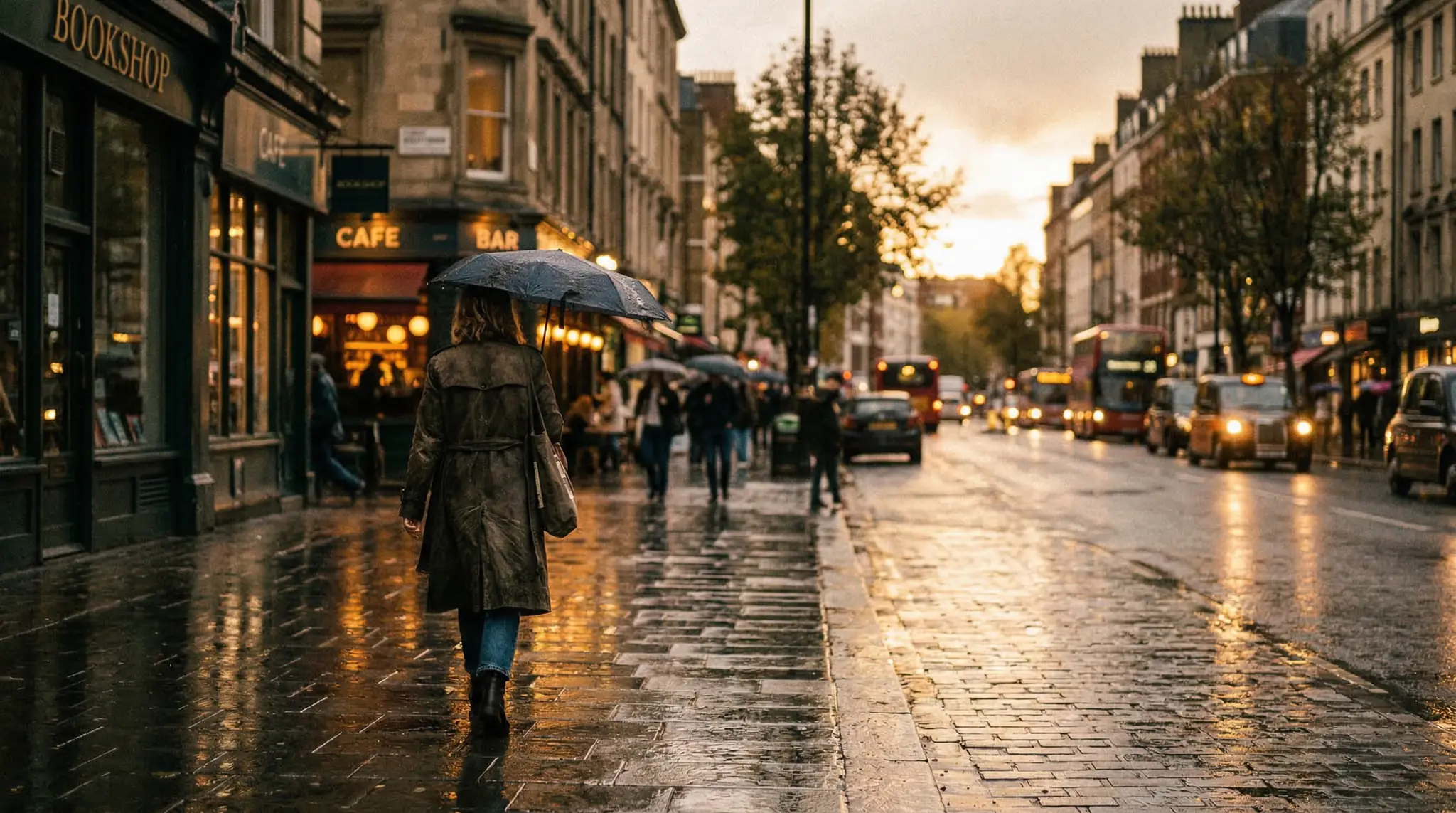
Street and urban photography. The documentary feel of lo-fi realism aligns perfectly with street photography traditions. AI-generated “street photographs” with the visual character of Tri-X film pushed two stops capture the gritty authenticity that defines the genre.
Fashion and editorial. Fashion brands have embraced lo-fi realism AI imagery for campaigns that target audiences tired of the hyper-glossy aesthetic that dominated fashion photography for decades. The casual, slightly imperfect look reads as effortlessly cool rather than meticulously produced.
Product photography. Even product photography—traditionally the domain of technical perfection—has adopted lo-fi realism for certain markets. Craft brands, vintage goods, artisanal products, and lifestyle brands find that the analog aesthetic reinforces their brand values of authenticity and craftsmanship.
Travel and landscape. Travel content styled as “found photographs” or “old slides” generates strong engagement. The nostalgic filter transforms ordinary destinations into evocative, emotionally charged scenes that invite viewers to imagine their own memories.
The Trend Within the Trend: Specific Sub-Styles
Lo-fi realism AI has spawned several distinct sub-styles, each with its own aesthetic rules and community following.
Disposable camera aesthetic. Harsh flash, washed-out colors, red-eye, and the compressed tonal range of cheap plastic lenses. This sub-style is enormously popular for social content because it reads as candid and unpretentious.
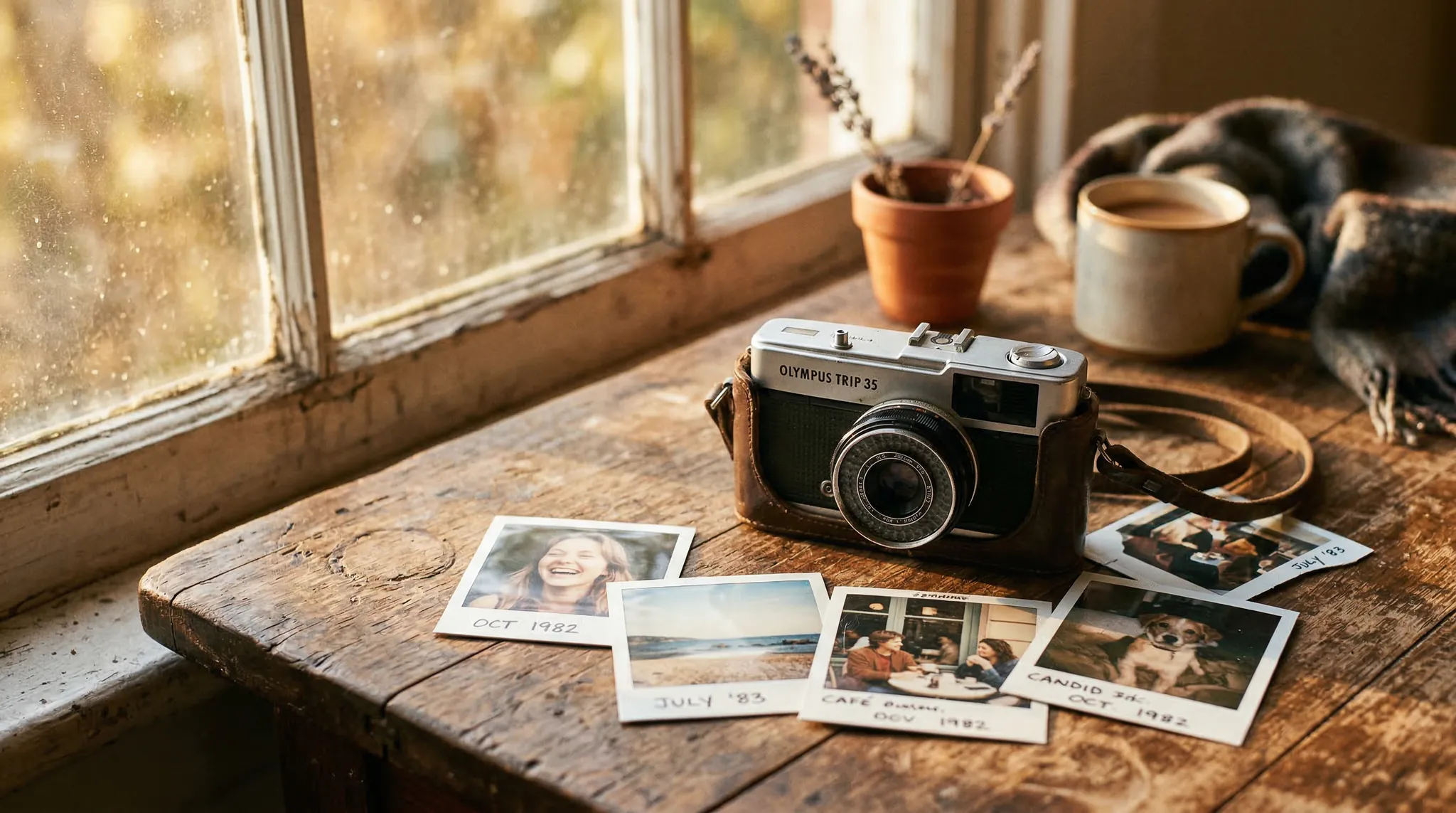
Polaroid/instant film. The square format, white border, faded color palette, and distinctive color rendering of Polaroid film. Often combined with hand-written text elements for added authenticity.
Film scan aesthetic. Images styled to look like digitized film negatives, complete with border markings, slight dust spots, and the specific color science of scanner output. This meta-aesthetic—a digital image pretending to be a scan of a film photograph—adds an extra layer of analog authenticity.
Early digital aesthetic. The slightly soft, oversaturated look of early digital cameras (2000 to 2005 era). Lower resolution, slight purple fringing, and the characteristic noise pattern of early CCD sensors. This sub-style appeals to millennials who grew up with these cameras.
Why This Trend Has Staying Power
Lo-fi realism isn’t a passing fad. It taps into enduring human preferences that will outlast any specific technology cycle.
The desire for warmth and emotional connection in visual media is permanent. As AI output becomes more technically capable, the value of aesthetics that communicate human touch and personal authenticity will only increase. Lo-fi realism is the visual equivalent of preferring vinyl records in the streaming era—it’s not about technical superiority but emotional connection.
As AI models continue to improve, expect lo-fi realism to evolve rather than disappear. New sub-styles will emerge, referencing different photographic eras and traditions, but the underlying principle—deliberate imperfection as an aesthetic choice—will remain relevant.
Frequently Asked Questions
Why are imperfect AI images more popular than perfect ones?
Imperfect images trigger nostalgia, signal authenticity, and create emotional warmth that technically perfect images often lack. In social media feeds saturated with polished content, deliberately imperfect aesthetics stand out and invite more emotional engagement.
What’s the best AI model for lo-fi realism?
Flux models currently produce the most convincing lo-fi realism due to their strong understanding of photographic aesthetics and accurate response to film stock references. Stable Diffusion with specialized LoRA models is a close second, particularly for specific sub-styles.
Can I use lo-fi realism for professional or commercial work?
Absolutely. Fashion brands, lifestyle companies, hospitality businesses, and any brand positioning itself around authenticity, craftsmanship, or nostalgia can benefit from lo-fi realism aesthetics. The style is already being used in paid advertising campaigns and editorial content.
How do I avoid making lo-fi AI images look fake?
Subtlety is key. Don’t stack every vintage effect at once. Choose a specific film stock or camera reference and let that single reference guide the look. Real film photographs have consistent characteristics—mixing references from different eras or cameras creates an unconvincing result.
Start Creating Lo-Fi Magic
The best AI images aren’t the most technically perfect—they’re the ones that make people feel something. Download Vidzy and start exploring lo-fi realism and other aesthetic trends that transform AI generation from impressive technology into genuinely moving visual art.
James Okafor is a tech journalist covering the AI generation space. With bylines in TechCrunch and The Verge, he brings an analytical lens to AI model reviews, industry trends, and the evolving landscape of creative AI tools.
AI Video Social Media Impact: The Platform Transformation The AI video social media impact today has been nothing short of seismic. Every major platform—TikTok, Instagram, YouTube, X, and LinkedIn—has been reshaped by the flood of AI-generated video content that became mainstream this year. Algorithms have adapted, creator strategies have shifted, audience expectations have evolved, and […]
The Complete Veo 3.1 Guide: Google’s Premier AI Video Generator Google’s Veo 3.1 has carved out a distinctive position in the AI video generation landscape. While competitors chase the longest clips or the widest feature sets, Google has focused on two areas where Veo 3.1 genuinely leads: photorealism and integrated audio. The result is an […]
AI Video Generation History: From Blurry Pixels to Cinematic Brilliance The story of AI video generation history reads like science fiction compressed into just four years. What began as stuttering, seconds-long clips of barely recognizable shapes in 2022 has evolved into a technology capable of producing photorealistic, minute-long cinematic sequences by recently. This transformation didn’t […]
James Okafor
7 min read
Your Next Video Is 30 Seconds Away
Download Vidzy free, pick a template, and create your first video right now.