


Why Mood Atmosphere AI Prompts Are the Secret to Compelling Images
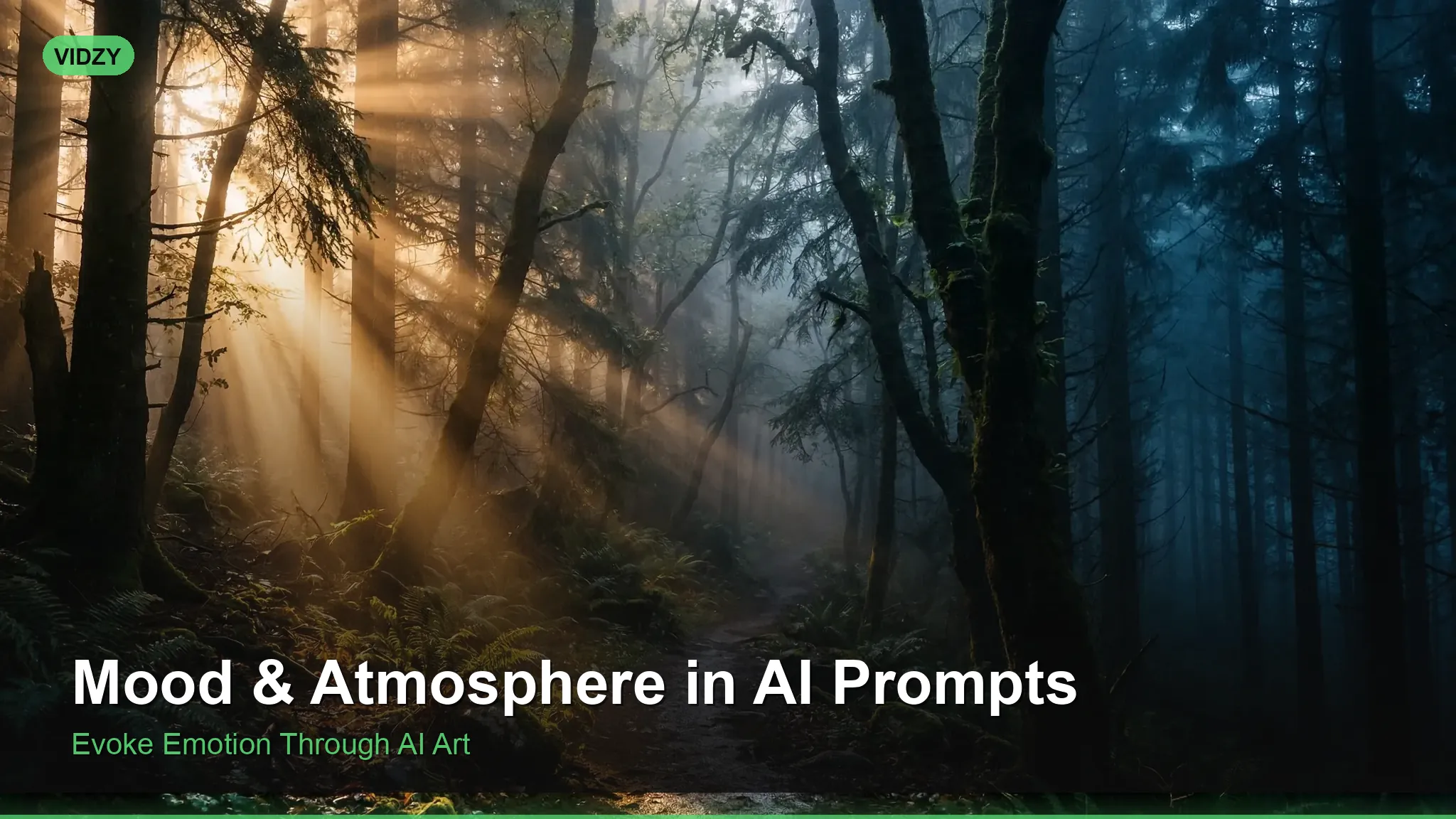
Technical perfection without emotional resonance produces images nobody remembers. Understanding how to use mood atmosphere AI prompts is what transforms your generations from technically impressive to genuinely moving. Mood is the emotional response an image evokes. Atmosphere is the visual environment that creates that response — the lighting, color, weather, and environmental cues that make a viewer feel something before they consciously process what they’re seeing.
AI models excel at mood and atmosphere because their training data is rich with emotional visual language — from the warm nostalgia of golden hour photography to the cold dread of fog-shrouded horror cinematography. This guide teaches you the complete vocabulary for controlling emotional tone in your AI generations.
The Building Blocks of Visual Mood
Mood in visual media comes from four interconnected elements:
1. Lighting — The single most powerful mood tool. Warm light feels safe; cold light feels alien. Harsh shadows feel dramatic; soft light feels gentle.
2. Color palette — Warm tones (amber, gold, orange) create comfort and nostalgia. Cool tones (blue, teal, gray) create isolation and melancholy. Saturated colors feel energetic; desaturated feels somber.
3. Weather and environment — Rain creates melancholy or tension. Fog creates mystery. Sunshine creates optimism. Each environmental condition carries emotional weight.
4. Space and scale — Intimate close spaces feel claustrophobic or cozy. Vast open spaces feel liberating or lonely. The relationship between figure and environment defines emotional context.
Warm and Inviting Moods
These keywords create feelings of comfort, nostalgia, safety, and warmth.
“Cozy autumn scene, warm amber lighting filtering through lace curtains, steaming cup of tea on a wooden windowsill, soft rain outside, hygge atmosphere, nostalgic warmth”
Lighting keywords: golden hour, warm tungsten, candlelight, firelight glow, amber tones, soft diffused light, dappled sunlight through trees.
Color keywords: warm color palette, autumnal tones, honey-gold, copper warmth, sepia-tinted, warm earth tones.
Atmosphere keywords: cozy, hygge, inviting, intimate, nostalgic, homey, comfortable, gentle, serene, peaceful.
Environmental cues: crackling fireplace, soft rain on windows, flickering candles, worn books, knitted blankets, steam rising from cups.
Dark and Moody Atmospheres
These keywords create tension, mystery, drama, or foreboding.
“Abandoned Victorian mansion hallway, single shaft of dusty light from a broken window, deep shadows hiding the far end, peeling wallpaper, ominous silence, gothic horror atmosphere”
Lighting keywords: chiaroscuro, dramatic sidelighting, single light source, harsh shadows, underlit, silhouette lighting, rim light in darkness.
Color keywords: desaturated, monochromatic, dark palette, deep blacks, muted tones, color graded dark teal and orange.
Atmosphere keywords: ominous, brooding, foreboding, sinister, eerie, haunting, tense, oppressive, claustrophobic, unsettling.
Environmental cues: fog, mist, abandoned spaces, decaying architecture, cobwebs, dust particles in light shafts, long shadows.
Ethereal and Dreamlike Moods
Perfect for fantasy, fashion editorial, and artistic work.
“Woman floating in a field of lavender, soft ethereal glow, dreamy lens blur, pastel color palette, backlit by gentle morning sun, particles of light drifting through the air, otherworldly serenity”
Lighting keywords: soft backlighting, ethereal glow, bloom, lens haze, light leaks, overexposed highlights, radiant aura.
Color keywords: pastel palette, soft lavender, rose gold, pearl white, iridescent, opalescent, luminous pastels.
Atmosphere keywords: dreamlike, ethereal, otherworldly, surreal, magical, enchanted, floating, weightless, transcendent.
Environmental cues: floating particles, light motes, soft fog, flower petals drifting, shallow water reflections, morning dew.
Epic and Cinematic Moods
For dramatic scenes that feel like movie stills.
“Warrior standing on a cliff edge before a massive storm, dramatic volumetric lighting breaking through dark clouds, epic scale, cinematic color grading, anamorphic lens flare, Hans Zimmer soundtrack energy”
Lighting keywords: volumetric god rays, dramatic rim lighting, golden hour backlight, storm light, contrast lighting, crepuscular rays.
Color keywords: cinematic color grading, teal and orange, high contrast, saturated highlights with dark shadows, film LUT.
Atmosphere keywords: epic, grandiose, awe-inspiring, monumental, dramatic, heroic, powerful, sweeping, majestic.
Environmental cues: massive clouds, vast landscapes, towering structures, storm fronts, mountain ranges, dramatic skies.
Melancholic and Contemplative Moods
For emotional storytelling and artistic expression.
“Solitary figure sitting on a park bench in autumn rain, fallen leaves on wet pavement, muted color palette, overcast grey sky, reflective puddles, quiet melancholy, contemplative solitude”
Lighting keywords: overcast diffused light, grey even lighting, soft shadows, dim ambient, twilight, fading light.
Color keywords: muted palette, desaturated earth tones, grey-blue, faded colors, washed out, subdued.
Atmosphere keywords: melancholic, contemplative, wistful, bittersweet, lonely, reflective, quiet, somber, pensive.
Environmental cues: rain, autumn leaves, empty spaces, still water, abandoned objects, solitary figures, vast empty landscapes.
Energetic and Vibrant Moods
For marketing, social media, and uplifting content.
“Street festival at night, vibrant neon signs reflecting on wet streets, crowds of people celebrating, confetti in the air, electric energy, saturated colors, dynamic motion blur”
Lighting keywords: neon glow, colorful lighting, dynamic light sources, strobe effects, bright backlight, multiple colored lights.
Color keywords: hyper-saturated, vibrant, electric blue, hot pink, neon green, bold primary colors, high saturation.
Atmosphere keywords: energetic, electric, vibrant, dynamic, lively, explosive, exhilarating, festive, jubilant.
Environmental cues: confetti, sparks, crowds, motion blur, neon signs, fireworks, splashing water, dynamic action.
Horror and Unsettling Moods
For creative projects exploring darker themes.
“Long empty hospital corridor, flickering fluorescent light, one light at the far end casting a sickly green glow, water-stained ceiling tiles, wheelchair abandoned mid-hallway, psychological horror atmosphere”
Lighting keywords: flickering light, sickly fluorescent, underlit faces, light from below, strobing, single harsh light source in darkness.
Color keywords: sickly green, cold blue, desaturated with one accent color, nearly monochrome, color drained.
Atmosphere keywords: unsettling, dreadful, creepy, disturbing, uncanny, nightmarish, suffocating, paranoid.
Environmental cues: long corridors, mirrors, fog, static noise, abandoned institutions, decay, unnatural stillness.
Combining Mood Keywords Effectively
The most powerful prompts layer multiple mood indicators from different categories. Here’s the formula:
[Subject] + [Lighting mood] + [Color mood] + [Atmospheric adjective] + [Environmental mood cue] + [Emotional anchor phrase]
“Old fisherman mending nets on a dock (subject), warm golden hour sidelighting (lighting), muted warm earth tones (color), peaceful and contemplative (atmosphere), gentle harbor fog rolling in from the sea (environment), a lifetime of quiet dedication (emotional anchor)”
The emotional anchor phrase at the end is a technique that works remarkably well with modern AI models. It gives the model a narrative feeling to express visually, even though it isn’t a visual description itself.
Mood Boards to Prompt Translation
If you work with mood boards, here’s how to translate visual references into prompt language:
1. Identify the dominant light source and quality. Is it warm or cool? Hard or soft? Single or multiple?
2. Extract the color palette. What are the 2-3 dominant colors? What’s the saturation level?
3. Name the emotional tone. What feeling does the mood board evoke in one word?
4. Note environmental details. Weather, time of day, interior/exterior, textures present.
Combine these observations into your prompt. Vidzy helps simplify this process by letting you generate and iterate quickly across different moods and styles.
Mood in AI Video Generation
Mood and atmosphere are even more critical in video because they sustain across time. A single frame can be atmospheric, but a video clip must maintain that mood consistently across every frame.
For AI video prompts, reinforce mood with temporal language: “gradually darkening sky,” “slowly rolling fog,” “flickering candlelight throughout.” This gives the video model consistent atmospheric targets for every frame. Explore more techniques in our guide on time of day keywords for AI images.
Frequently Asked Questions
What’s the single most effective mood keyword for AI prompts?
Lighting direction and color temperature have the greatest impact. “Warm golden hour backlighting” or “cold blue moonlight” will shift the mood of any image more dramatically than any other single keyword category.
Can I mix contrasting moods in one image?
Yes, and it creates some of the most compelling images. “Warm cozy interior visible through a window, cold snowy night outside” creates emotional contrast. The key is giving each mood a distinct spatial zone in the composition. See our composition guide for spatial arrangement techniques.
How do I make AI-generated images feel nostalgic?
Combine warm color palette (amber, gold, sepia), soft or hazy lighting, film grain or analog artifacts, and era-specific environmental details (vintage objects, retro typography, aged textures). Adding “1970s Kodachrome” or “vintage Polaroid” as style references also triggers nostalgic rendering.
Do mood keywords affect image quality?
Mood keywords can reduce perceived sharpness — “dreamy,” “hazy,” and “soft” deliberately soften the image. If you need both mood and sharpness, combine atmospheric keywords with technical quality terms: “ethereal dreamy atmosphere, ultra-sharp subject focus, 8K detailed.”
What mood works best for commercial and marketing images?
Bright, warm, and optimistic moods perform best in commercial contexts. Clean lighting, saturated but not overwhelming colors, and energetic or aspirational atmospheres drive the highest engagement. Avoid overly moody or dark tones for marketing unless your brand specifically targets that aesthetic.