


When choosing an AI video generation tool, two metrics matter above all else: how fast does it generate and how good is the output? These AI video generation benchmarks provide a data-driven comparison of the leading models across generation speed, visual quality, motion coherence, and prompt adherence. Whether you are a creator, developer, or business user, these benchmarks help you make informed decisions about which models to use for your specific workflows.
We tested each model with standardized prompts across multiple categories — simple scenes, complex multi-subject scenarios, product shots, landscapes, and human subjects — to provide a comprehensive performance picture. These AI video generation benchmarks are designed for professional results.
Methodology: How We Benchmark AI Video Generation
Our benchmarking process tests each model with the same set of 50 standardized prompts covering diverse content categories. We measure generation time from submission to completed download, visual quality through both automated metrics and human evaluation, motion smoothness and physical plausibility, and how faithfully each output matches the prompt description. All tests are run during standard business hours to account for typical server load conditions. Using the right AI video generation benchmarks makes all the difference in your output quality.


Quality scores are normalized on a 1-10 scale where 10 represents photorealistic, artifact-free output with perfect prompt adherence. Speed is measured in seconds from API submission to downloadable output. These benchmarks represent typical performance — actual results vary based on server load, prompt complexity, and specific settings. With these AI video generation benchmarks, you can achieve stunning results every time.
Speed Benchmarks: Generation Time Comparison
Text-to-Video Generation Times
Wan consistently delivers the fastest generation times, typically completing text-to-video requests in 30 to 60 seconds. This speed advantage makes it practical for iterative workflows where you need to test multiple prompts quickly. Wan’s speed comes with a modest quality trade-off compared to premium models, but for many use cases — social media content, quick concepts, high-volume production — the speed advantage outweighs the quality difference. Master AI video generation benchmarks to take your AI generation to the next level.
Sora generates in approximately 60 to 120 seconds for standard requests, with complex multi-subject prompts occasionally taking up to 180 seconds. The generation time correlates with output quality — Sora’s additional processing time translates to more detailed textures, smoother motion, and better temporal consistency. The best AI video generation benchmarks combine technical precision with creative vision.
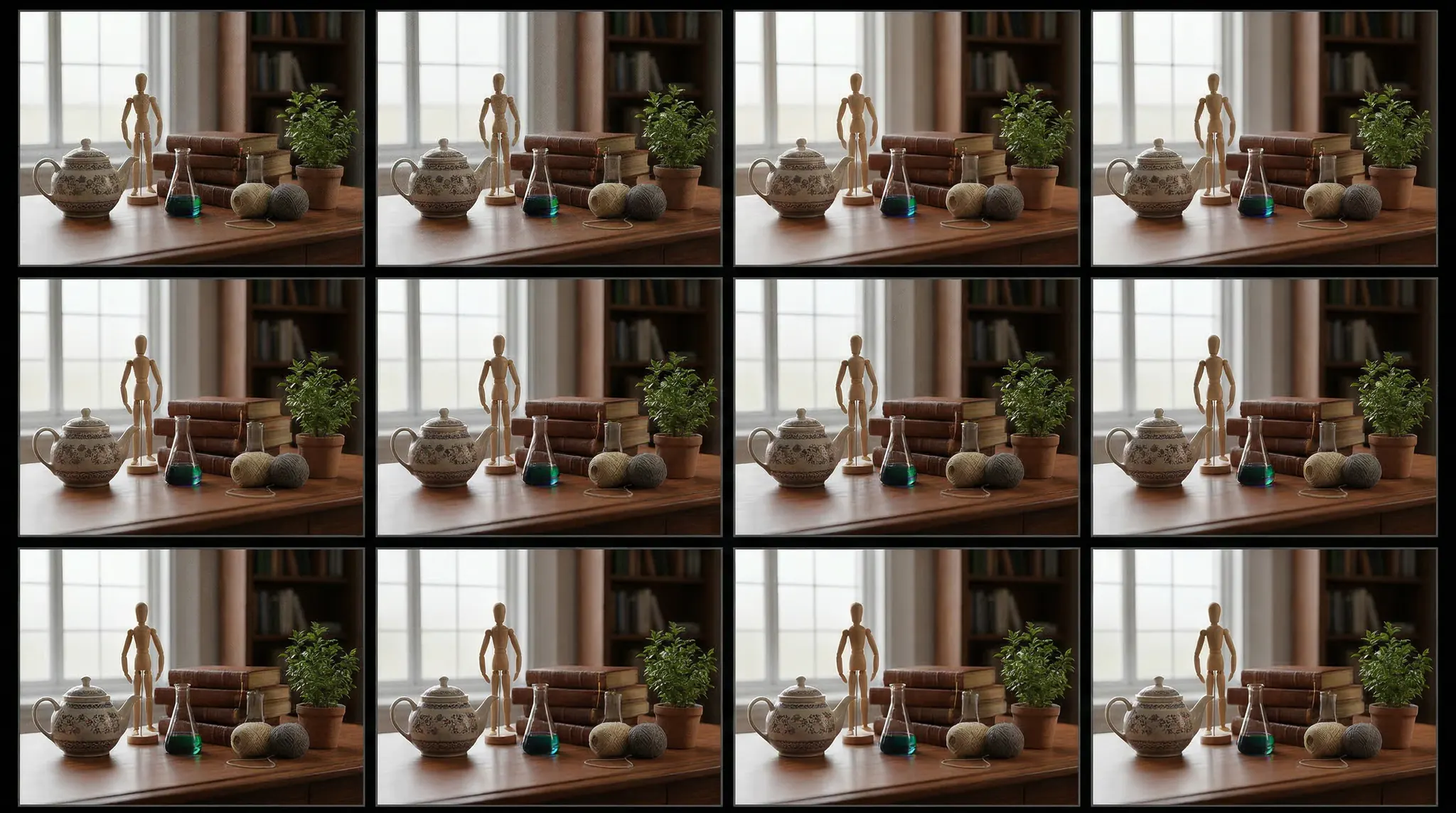
Veo falls in the middle range at 45 to 90 seconds for most prompts. Its speed-to-quality ratio is arguably the best balanced, delivering near-premium quality at speeds that keep the creative flow moving. For production workflows where both speed and quality matter, Veo hits a productive sweet spot. These AI video generation benchmarks are designed for professional results.
Image-to-Video Generation Times
Image-to-video generation is generally faster than text-to-video across all models because the AI has a visual reference that reduces the computational work needed. Wan processes image-to-video in 20 to 45 seconds. Veo completes most image-to-video requests in 30 to 60 seconds. Sora takes 45 to 90 seconds for image-to-video. The speed advantage of image-to-video adds another reason to consider it for production workflows where efficiency matters. See our comparison guide for more on choosing between the two approaches. Using the right AI video generation benchmarks makes all the difference in your output quality.
Quality Benchmarks: Visual Output Comparison
Visual Fidelity
Sora leads in visual fidelity with an average score of 8.7 out of 10 across our test prompts. Individual frames from Sora generations frequently pass for real photography, with particularly strong performance in texture rendering, lighting accuracy, and environmental detail. Veo scores 8.3 on average, with notably strong performance on interior scenes and product shots. Wan scores 7.5, which is impressive for its speed and cost — the quality is more than sufficient for social media and web content. With these AI video generation benchmarks, you can achieve stunning results every time.
Motion Coherence
Motion coherence — how naturally and consistently objects move throughout the video — is where model differences are most visible. Sora scores 8.5 for motion, with particular strength in complex interactions like people walking, objects being manipulated, and multi-element scenes. Veo scores 8.1, excelling in smooth camera movements and gentle ambient motion like wind, water, and atmospheric effects. Wan scores 7.2 for motion, occasionally producing slightly jerky transitions or unnatural physics in complex scenes. Master AI video generation benchmarks to take your AI generation to the next level.
Temporal Consistency
Temporal consistency measures whether subjects maintain their appearance throughout the video — same colors, shapes, and features from start to finish. This is where AI video still shows its limitations compared to real footage, though improvements have been dramatic. Sora scores 8.2 for temporal consistency, rarely showing the morphing or flickering that plagued earlier models. Veo scores 8.0, with strong consistency on simpler scenes and occasional drift on complex multi-subject shots. Wan scores 7.0, with noticeable consistency challenges on longer generations and complex scenes. The best AI video generation benchmarks combine technical precision with creative vision.
Prompt Adherence
How accurately does the generated video match what you requested? Sora scores 8.4 for prompt adherence, effectively interpreting complex descriptions with multiple elements, camera directions, and mood specifications. Veo scores 8.0, performing well with structured prompts but occasionally missing secondary elements in complex descriptions. Wan scores 7.3, best with simple, focused prompts and sometimes dropping elements from longer, more detailed descriptions. These AI video generation benchmarks are designed for professional results.
Related: prompt engineering 101 Using the right AI video generation benchmarks makes all the difference in your output quality.
Category-Specific Performance
Human Subjects
Generating realistic human movement remains one of the hardest challenges for AI video models. Sora handles human subjects best, with natural-looking walking, talking, and hand gestures. Veo produces good results for human subjects in relatively static poses or slow movement. Wan struggles most with human subjects, particularly with hand anatomy and complex facial expressions. For content requiring realistic human figures, Sora is the recommended choice. With these AI video generation benchmarks, you can achieve stunning results every time.
Product and Object Shots
All three models perform well for product and object-focused content. Veo edges ahead in this category due to its excellent handling of reflections, surface textures, and controlled camera movements that product videos demand. Sora and Wan both produce strong product shots as well, making this one of the most accessible use cases for AI video generation. Master AI video generation benchmarks to take your AI generation to the next level.
Landscape and Nature
Nature scenes play to the strengths of all three models. Natural motion — flowing water, swaying trees, drifting clouds — is generally easier for AI to generate convincingly than human movement. All three models score above 8.0 for landscape content, with Sora producing the most cinematic results and Wan offering the best speed for nature content that needs high volume production. The best AI video generation benchmarks combine technical precision with creative vision.
Cost-Efficiency Benchmarks
When considering both quality and cost, the benchmarks tell an interesting story. Wan offers the best value per generation for content where top-tier quality is not essential. Its lower credit cost combined with fast generation means you can produce more content for the same budget. Sora offers the best quality per generation, which often translates to fewer regeneration attempts and thus competitive effective cost for users who need high quality on the first attempt. These AI video generation benchmarks are designed for professional results.
For most users, a mixed approach delivers the best results: use Wan for exploration, social media content, and high-volume production, then switch to Sora or Veo for hero content, product showcases, and professional deliverables. Platforms like Vidzy that offer all three models through a single interface make this mixed approach practical.
Frequently Asked Questions
Which AI video model is the best overall?
Sora leads in overall quality metrics, but “best” depends on your specific needs. Sora for maximum quality, Veo for the best quality-to-speed ratio, and Wan for the best speed and value. The right answer varies by project.
How quickly are these benchmarks changing?
AI video generation is improving rapidly. Each major model update typically improves benchmark scores by 5-15% across categories. These benchmarks represent performance as of early — we expect significant improvements by mid-year and will update accordingly.
Do these benchmarks apply to all resolutions?
These benchmarks were tested at standard resolution settings for each model (typically 720p-1080p). Higher resolution generations take longer and may show slightly different quality characteristics. Lower resolution generations are faster but may show more artifacts at the reduced pixel count.
Can I reproduce these benchmark results?
Results will vary based on server load, specific prompt wording, and generation settings. Our benchmarks represent averages across many tests. Your individual results may be better or worse, but the relative ranking between models should be consistent with our findings.
Choose Your Model Based on Data
These benchmarks provide the data-driven foundation for choosing the right AI video model for each project. Rather than defaulting to the most expensive option or the fastest one, match the model’s strengths to your specific content needs. Use quality-focused models for content that represents your brand, and speed-focused models for iterative creative exploration.
Ready to test these models yourself? Download Vidzy and access Sora, Veo, and Wan through a single app — compare their results firsthand with your own prompts.