The Ultimate AI Prompt Keywords Reference

This is the definitive AI prompt keywords cheat sheet — over 200 keywords organized by category, each one tested across DALL-E, Flux, Midjourney, and Sora to verify that it actually changes the output. Bookmark this page. Return to it every time you write a prompt. These are the words that transform vague ideas into precise, professional-quality AI-generated images and videos. Every keyword below has been selected because it communicates specific visual information to AI models. No filler, no redundancy — just the vocabulary that works.

Camera Angles and Framing

Camera angle is one of the highest-impact prompt elements. It determines the viewer’s relationship with the subject and sets the emotional tone of the entire image. Distance / framing:
  • Extreme close-up (ECU) — fills the frame with a detail (an eye, a texture, a small object)
  • Close-up — face or single object fills the frame
  • Medium close-up — head and shoulders
  • Medium shot — waist up
  • Medium wide shot — knees up, subject in context
  • Wide shot / full shot — entire body with environment
  • Extreme wide shot — subject small within vast environment
  • Establishing shot — sets the scene, subject may be tiny or absent
Angle:
  • Eye level — neutral, relatable perspective
  • Low angle / worm’s eye view — looking up, makes subject imposing
  • High angle / bird’s eye view — looking down, makes subject vulnerable
  • Dutch angle / tilted — off-kilter, creates tension or unease
  • Overhead / flat lay / top-down — directly above, popular for products
  • Three-quarter view — 45-degree angle, most flattering for faces
  • Profile / side view — 90-degree side angle
  • Over-the-shoulder (OTS) — looking past one subject at another
  • Point of view (POV) — viewer sees through the subject’s eyes
Lens perspective:
  • Wide-angle (16-24mm) — exaggerated perspective, dramatic depth
  • Normal (35-50mm) — natural human perspective
  • Telephoto (85-200mm) — compressed perspective, shallow depth of field
  • Macro — extreme close-up of small subjects, magnified detail
  • Fisheye — extreme wide-angle barrel distortion
  • Tilt-shift — selective focus creating miniature effect
  • Anamorphic — wide cinematic look with horizontal lens flares

Lighting Keywords

Lighting carries more visual weight than almost any other prompt element. These keywords control the mood, dimension, and realism of your output. Light quality:
  • Soft / diffused — gentle, wrapping light with gradual shadows
  • Hard / direct — sharp shadows, high contrast
  • Specular — bright highlights, reflective surfaces catching light
  • Ambient / flat — even, shadowless illumination
  • Volumetric — visible light rays through atmosphere (fog, dust, haze)
  • Dappled — light filtered through leaves or objects creating spots
Light direction:
  • Front lighting — flat, even, minimal shadows
  • Side lighting — dramatic, reveals texture and form
  • Backlighting / contre-jour — light behind subject, creates silhouettes and rim light
  • Rim light / edge light — bright outline separating subject from background
  • Overhead / top light — light from above, dramatic under-eye shadows
  • Underlight / uplight — light from below, eerie and dramatic
  • Rembrandt lighting — 45-degree angle creating triangle of light on shadow cheek
  • Butterfly / Paramount lighting — overhead frontal, creates shadow under nose
  • Split lighting — half face lit, half in shadow
  • Loop lighting — slight angle creating small nose shadow
Natural light conditions:
  • Golden hour — warm, low-angle sun shortly after sunrise or before sunset
  • Blue hour — cool, diffused twilight before sunrise or after sunset
  • Overcast / cloudy — soft, even, no harsh shadows
  • Harsh midday sun — high contrast, strong shadows
  • Dusk / twilight — transitional, mixed warm and cool
  • Moonlight — cool, low-key, mysterious
  • Candlelight — warm, flickering, intimate
Studio and artificial light:
  • Softbox — soft, even studio light
  • Ring light — even, shadowless front light with circular catchlights
  • Neon light — colored, urban, vibrant
  • Strobe / flash — frozen motion, sharp detail
  • Practical lights — visible light sources in the scene (lamps, screens, candles)
  • Stage lighting — dramatic colored spots from above
  • LED panel — continuous, even, color-adjustable

Color and Palette Keywords

Color keywords control the emotional and aesthetic character of your images. Color temperature:
  • Warm (3000-4000K) — golden, amber, inviting
  • Neutral (5000-5500K) — daylight balanced, natural
  • Cool (6500-8000K) — blue, clinical, somber
  • Mixed temperature — warm and cool together, adds visual tension
Palette styles:
  • Monochromatic — single hue with value variations
  • Complementary — opposing colors (blue/orange, red/green)
  • Analogous — neighboring colors on the wheel (blue, teal, green)
  • Triadic — three evenly spaced colors
  • Muted / desaturated — low saturation, subtle
  • Vibrant / saturated — high saturation, punchy
  • Pastel — light, soft, high value
  • Earthy / natural — browns, greens, warm neutrals
  • Jewel-toned — deep, rich, saturated (emerald, sapphire, ruby)
  • Neon / fluorescent — electric, glowing colors
  • Film-grade color grading — cinematic, processed look
  • Cross-processed — shifted colors, vintage film look
Specific color terms that AI models understand:
  • Cadmium red, vermillion, crimson, scarlet, burgundy, maroon
  • Cerulean blue, cobalt, navy, indigo, prussian blue, ultramarine
  • Viridian, sage, olive, emerald, forest green, chartreuse
  • Ochre, sienna, umber, burnt orange, amber, rust
  • Ivory, cream, eggshell, pearl, bone white
  • Charcoal, slate, graphite, gunmetal, obsidian

Texture and Material Keywords

Texture adds tactile realism. These keywords tell the model what surfaces feel like: Organic textures:
  • Rough bark, gnarled wood, driftwood grain
  • Smooth stone, weathered limestone, rough granite
  • Wet leaves, dried petals, pressed flowers
  • Raw linen, woven cotton, draped silk
  • Cracked earth, dry sand, wet mud
  • Moss-covered, lichen-encrusted, vine-wrapped
Manufactured textures:
  • Brushed metal, polished chrome, hammered copper
  • Frosted glass, crystal clear, etched surface
  • Matte ceramic, glazed porcelain, raw clay
  • Worn leather, distressed denim, velvet
  • Concrete, stucco, exposed brick
  • Carbon fiber, machined aluminum, patinated bronze
Surface finish:
  • Glossy, satin, matte, semi-matte
  • Reflective, mirror-like, non-reflective
  • Textured, smooth, rough, gritty
  • Worn, pristine, weathered, aged, patinated
  • Translucent, opaque, transparent, frosted

Composition and Layout Keywords

Composition keywords direct how elements are arranged in the frame:
  • Rule of thirds — subject placed at intersection points
  • Center frame / centered — symmetrical, balanced
  • Golden ratio / golden spiral — naturally pleasing composition
  • Leading lines — lines drawing the eye to the subject
  • Symmetry / bilateral symmetry — mirror-image composition
  • Asymmetrical balance — uneven but visually balanced
  • Negative space — large empty areas creating breathing room
  • Frame within a frame — doorway, window, or arch framing the subject
  • Foreground interest — objects in the near field adding depth
  • Layered depth — distinct foreground, midground, and background
  • Minimalist composition — few elements, maximum impact
  • Dense / busy composition — filled frame, visual complexity
  • Diagonal composition — dynamic, energetic, off-balance
  • Radial composition — elements radiating from a central point

Mood and Atmosphere Keywords

These words set the emotional tone of your generations:
  • Serene / peaceful / tranquil — calm energy, soft tones
  • Dramatic / intense / powerful — high contrast, bold composition
  • Moody / somber / melancholic — dark tones, muted colors
  • Ethereal / dreamlike / otherworldly — soft, glowing, surreal
  • Gritty / raw / urban — texture, imperfection, realism
  • Elegant / sophisticated / refined — clean lines, luxury feel
  • Nostalgic / vintage / retro — warm tones, film grain, period feel
  • Futuristic / sci-fi / cyberpunk — neon, technology, sleek
  • Cozy / warm / intimate — soft light, warm tones, enclosed spaces
  • Epic / grand / majestic — scale, grandeur, awe
  • Mysterious / enigmatic / suspenseful — shadow, partial reveal, tension
  • Whimsical / playful / fantastical — bright, imaginative, childlike wonder

Photography Style Keywords

These keywords reference established photographic genres and techniques:
  • Editorial photography — magazine-quality, styled, narrative
  • Documentary photography — authentic, unposed, real-world
  • Street photography — candid urban moments, available light
  • Fine art photography — conceptual, gallery-worthy, artistic
  • Fashion photography — styled, dramatic, model-focused
  • Architectural photography — buildings, interiors, geometric
  • Food photography — styled dishes, appetizing, editorial
  • Wildlife photography — natural habitats, telephoto, patient observation
  • Astrophotography — night sky, stars, long exposure
  • Double exposure — overlaid images, silhouette blending
  • Long exposure — motion blur, light trails, smooth water
  • HDR photography — high dynamic range, detailed shadows and highlights
  • Infrared photography — false color, white foliage, dark skies
  • Cyanotype — blue and white alternative process print

Art Style and Medium Keywords

For non-photographic outputs, these keywords define the artistic medium:
  • Oil painting — rich colors, visible brushwork, canvas texture
  • Watercolor — transparent washes, paper texture, soft edges
  • Charcoal drawing — high contrast, smudged, textured paper
  • Pencil sketch — fine lines, hatching, graphite on paper
  • Ink wash — flowing, monochromatic, calligraphic
  • Digital painting — clean, detailed, modern illustration
  • Vector illustration — flat, clean lines, scalable graphic
  • 3D render — CGI, realistic materials, ray-traced lighting
  • Isometric — 3D objects at 30-degree angle, no perspective distortion
  • Pixel art — retro, blocky, limited palette
  • Linocut / woodcut — bold, graphic, printmaking texture
  • Collage — mixed media, cut paper, layered elements
  • Gouache — opaque watercolor, matte, illustrative
  • Pastel — chalky, soft, visible paper grain
  • Fresco — wall painting, plaster texture, classical

Video and Motion Keywords

For AI video generation, these keywords control temporal elements: Camera movement:
  • Dolly in / dolly out, tracking shot, steadicam
  • Crane up / crane down, jib movement
  • Pan left / pan right, tilt up / tilt down
  • Orbit / arc shot, 360-degree rotation
  • Handheld, documentary shake, found footage
  • Drone / aerial, sweeping overhead, descending reveal
  • Whip pan, snap zoom, rack focus
Speed and time:
  • Slow motion, 120fps, bullet-time
  • Time-lapse, hyperlapse, compressed time
  • Speed ramp, deceleration, acceleration
  • Real-time, normal speed
  • Frozen moment, time-stop
Transitions:
  • Smooth transition, seamless morph
  • Match cut, whip transition
  • Fade to black, dissolve, cross-fade
For deeper video prompting guidance, see our motion keywords for video prompts guide.

Technical Quality Keywords

Use these sparingly — they work best as finishing touches on already-specific prompts:
  • 8K resolution — maximum detail and sharpness
  • Film grain — organic texture, analog feel
  • Shallow depth of field — blurred background, subject isolation
  • Deep depth of field — everything in focus, landscape style
  • Bokeh — aesthetic blur, circular highlights in background
  • Sharp focus — tack-sharp subject detail
  • Lens flare — light artifacts from shooting into light
  • Chromatic aberration — color fringing at edges, vintage lens feel
  • Vignette — darkened edges, focused center attention
  • Motion blur — directional blur suggesting movement

How to Use This Cheat Sheet

Do not dump keywords randomly into your prompts. Instead, follow this process:
  1. Start with your subject — describe it in detail
  2. Pick one keyword from Camera Angles — set your framing
  3. Pick two to three from Lighting — set the mood and dimension
  4. Pick one from Color — set the palette direction
  5. Pick one from Composition — set the layout
  6. Pick one from Mood — set the emotional tone
  7. Add one Technical keyword — polish the output
This gives you a structured, specific prompt built from proven keywords. Vidzy’s AI Prompt Generator walks you through this exact process interactively.

FAQ

What are the most important AI prompt keywords? Lighting and camera angle keywords have the highest impact on output quality. A single lighting keyword like “Rembrandt lighting” or “golden hour backlight” can transform a generic image into a professional one. Camera angle keywords like “low angle” or “extreme close-up” determine the entire composition. How many keywords should I use in one prompt? Use five to eight carefully chosen keywords from different categories. One camera angle, two to three lighting terms, one color palette, one composition term, and one mood keyword gives you comprehensive control without overwhelming the model. Check our prompt length guide for optimal word counts. Do the same keywords work across all AI models? Most keywords in this cheat sheet work across DALL-E, Flux, Midjourney, and Sora. Photography and cinematography terms are universally understood because all models trained on real-world images. Art style keywords may produce slightly different interpretations across models. What is the difference between mood keywords and lighting keywords? Lighting keywords describe physical light properties (direction, intensity, color). Mood keywords describe the emotional feeling of the scene. They work together — “Rembrandt lighting” (technical) combined with “moody and contemplative” (emotional) produces a cohesive dark, atmospheric portrait. Should I use technical camera terms even for non-photorealistic images? Yes. Terms like “wide-angle perspective” and “shallow depth of field” affect composition and focus in all output types — illustrations, 3D renders, paintings, and photographs. The model applies these concepts regardless of the art style.

Start Building Better Prompts

This AI prompt keywords cheat sheet is your reference library for every generation. Combine keywords from different categories, test combinations, and build your personal favorites into reusable templates. Try Vidzy’s AI Prompt Generator to build keyword-rich prompts interactively, or download Vidzy to generate professional AI images and videos using the full power of these prompt keywords.
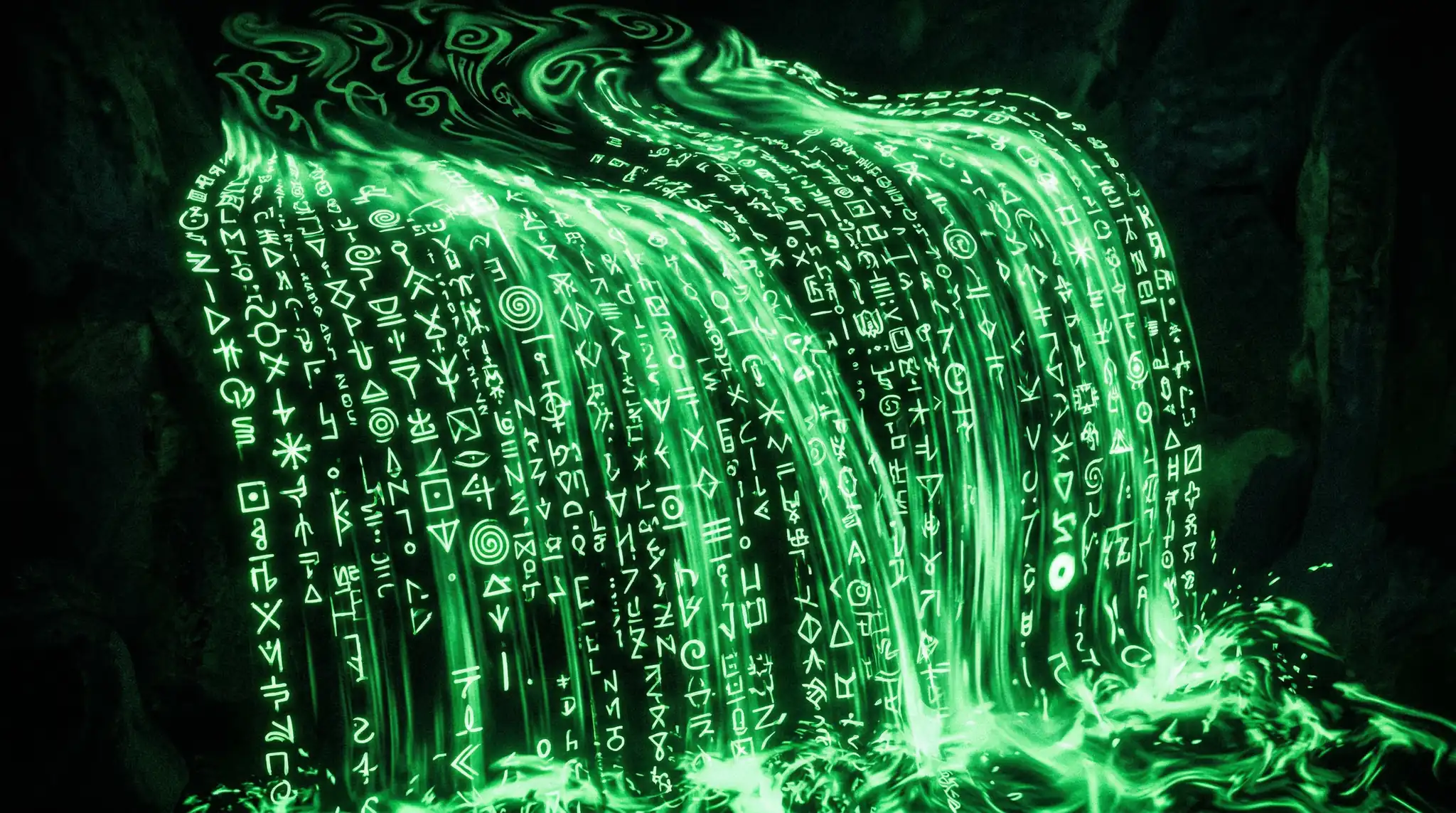
AI prompt keywords - AI Prompt Cheat Sheet: 200+ Keywords by Category - Example 1
AI Prompt Cheat Sheet: 200+ Keywords by Category - Example 2